cfpstudies.org · Center for Peace Studies
Center for Peace Studies
Pax optima rerum
2026
Pax optima rerum
The Center for Peace Studies is a union of experienced and highly qualified professionals whose main goals are: • To promote peaceful and sustainable development in Georgia; • To promote civic equality and integration of ethnic minorities; • To restore trust with the population of the Autonomous Republic of Abkhazia and the Tskhinvali region and to promote the peaceful reintegration of these regions into Georgia; • To promote the strengthening of democratic institutions, regional development and local self-government in Georgia; • To promote reforms in the fields of education and science; • To promote free, transparent, fair and competitive elections; • To promote the improvement of Georgia's economic development and business environment. The organization plans to implement a number of projects aimed at contributing to the maintenance and strengthening of peace in Georgia and the development of a consistent policy of civil equality.
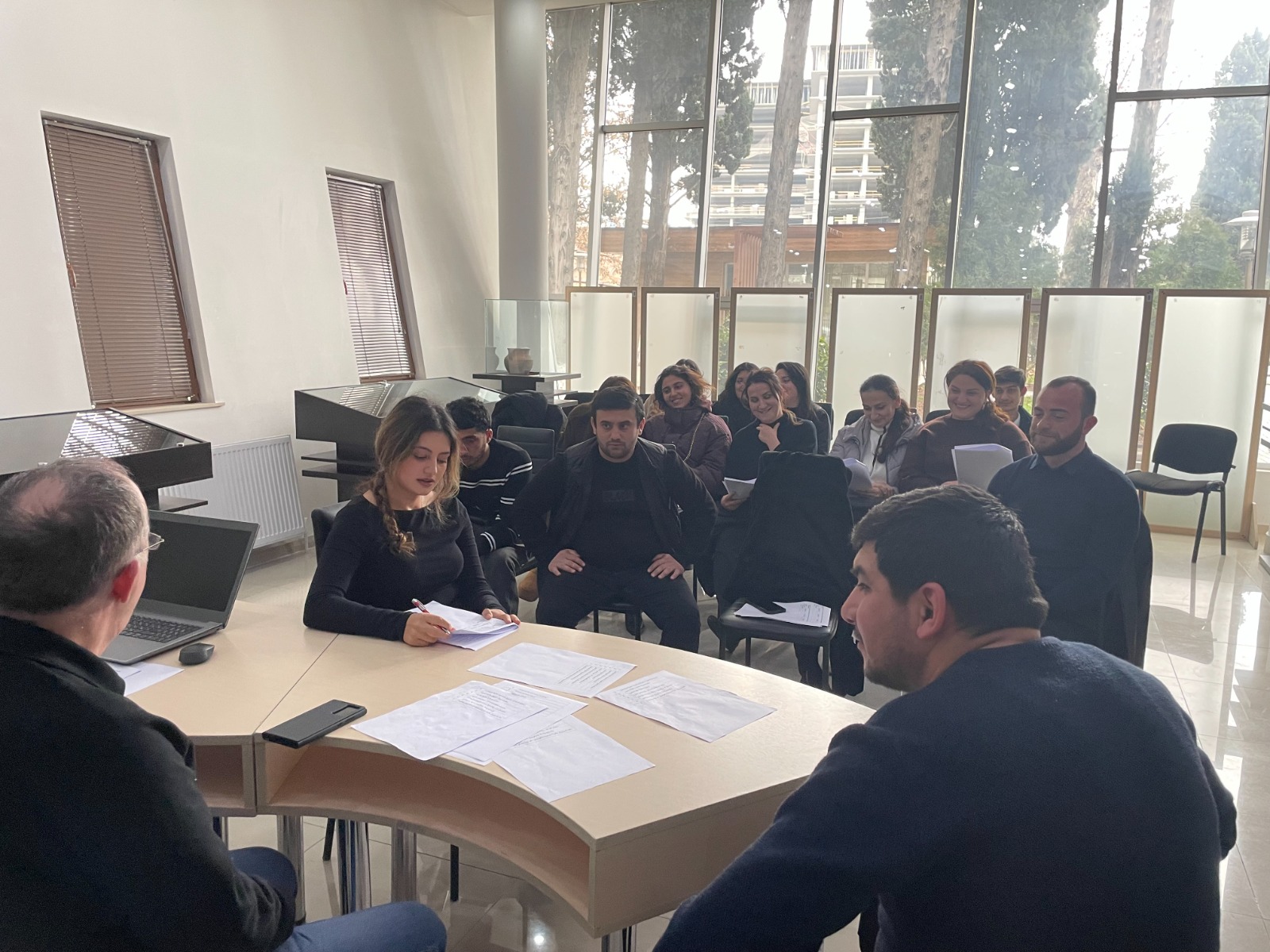
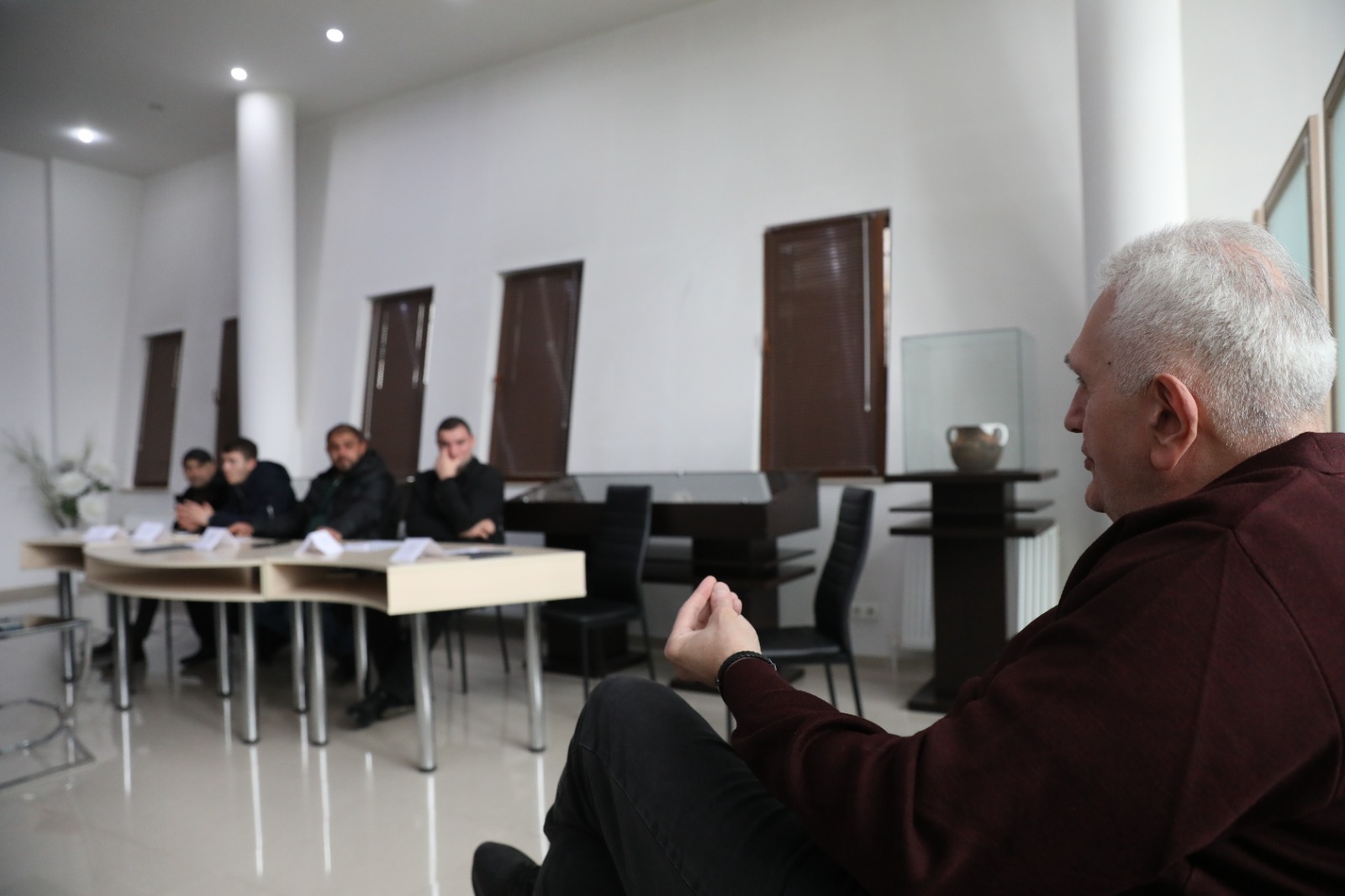
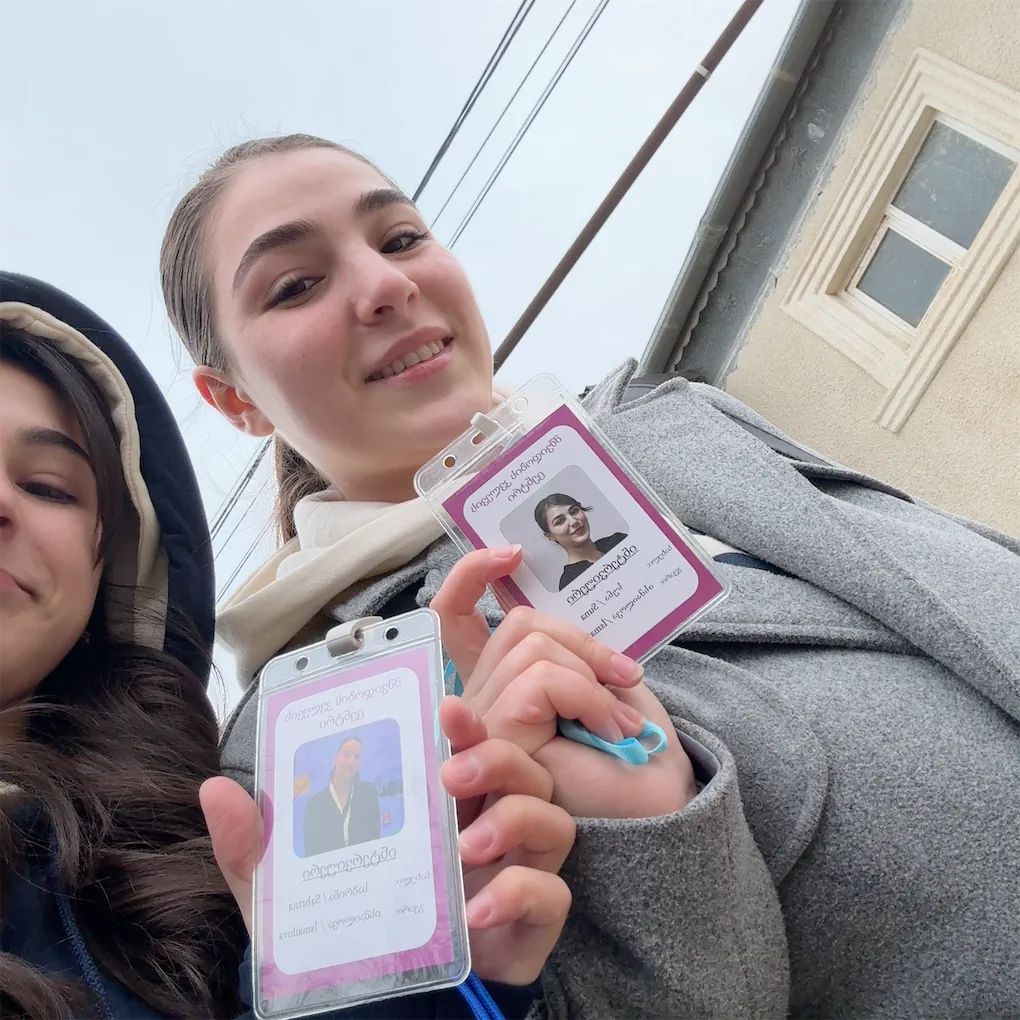
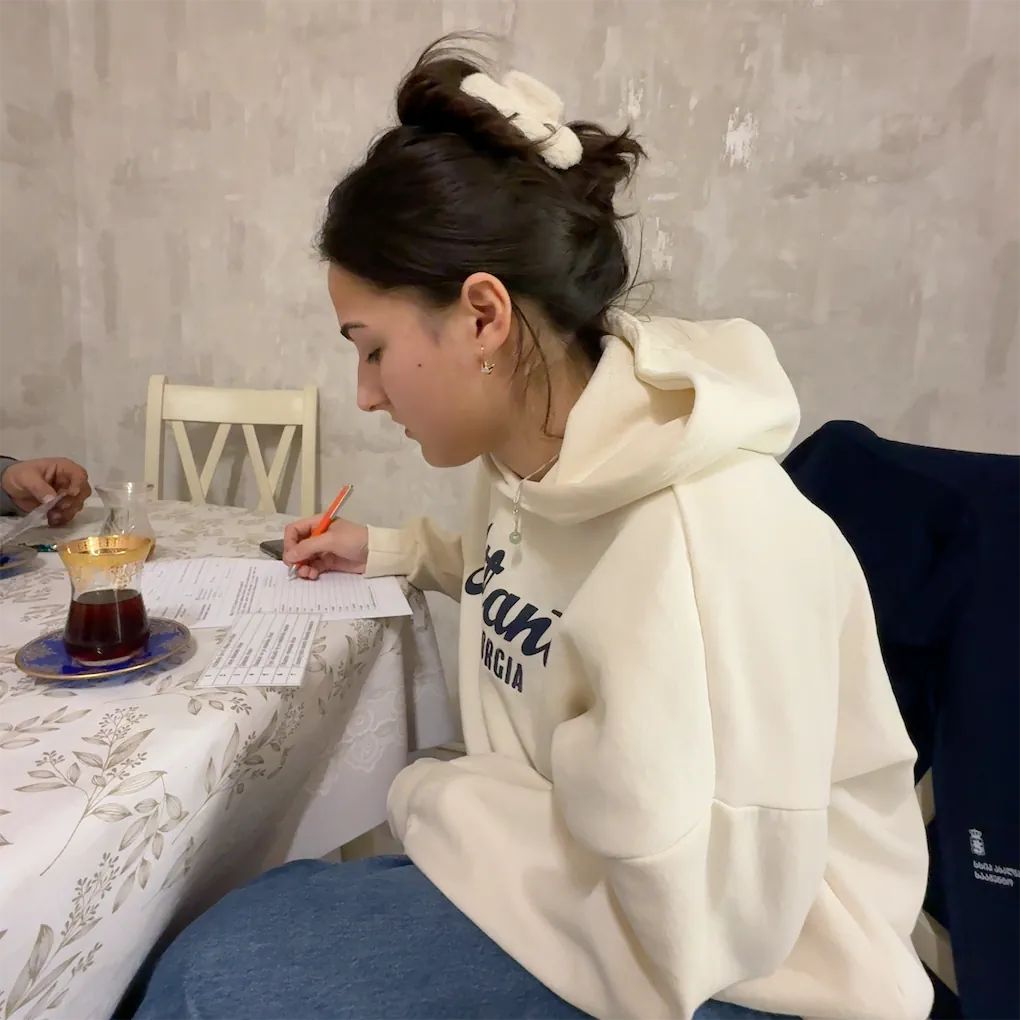
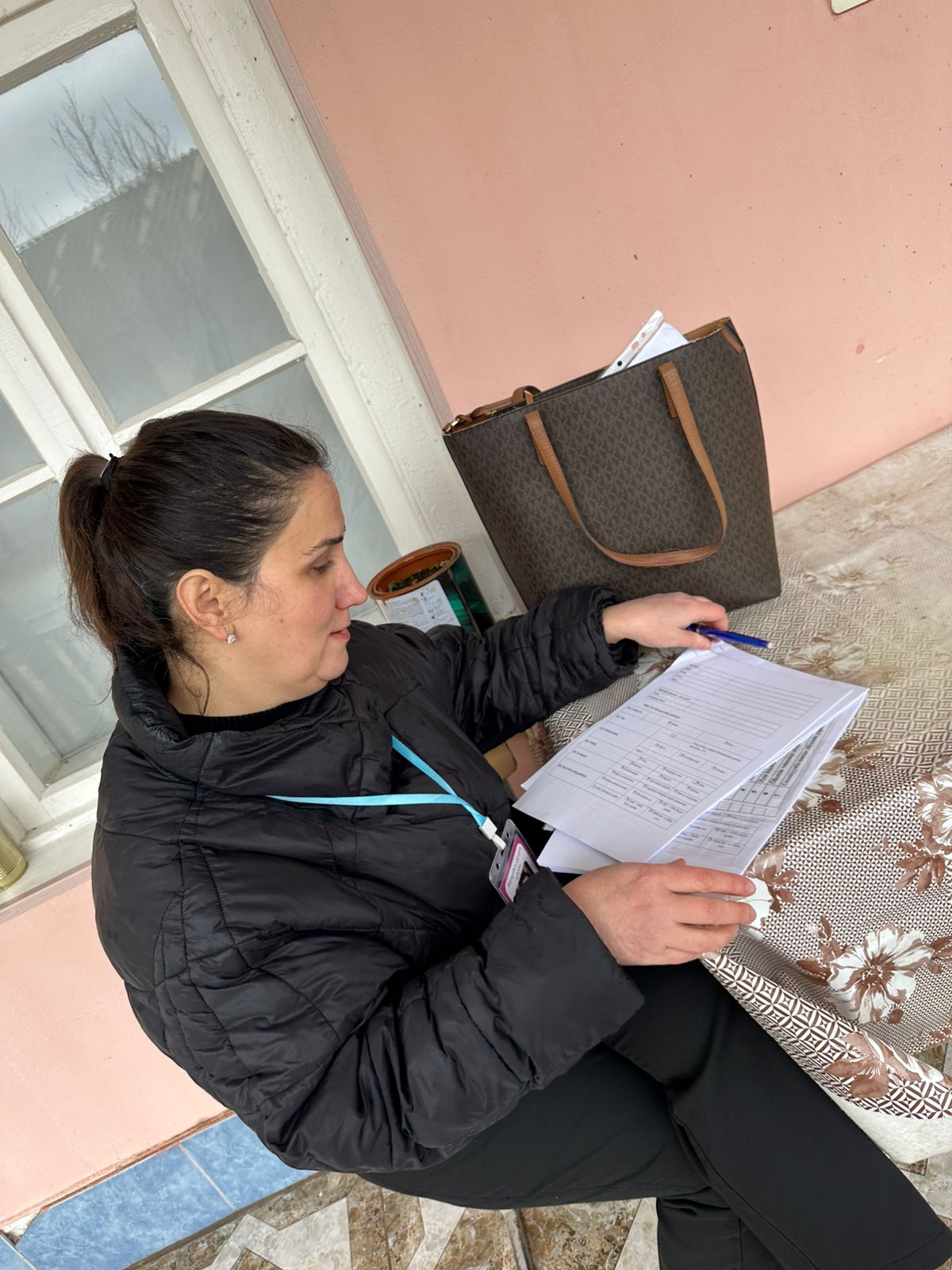
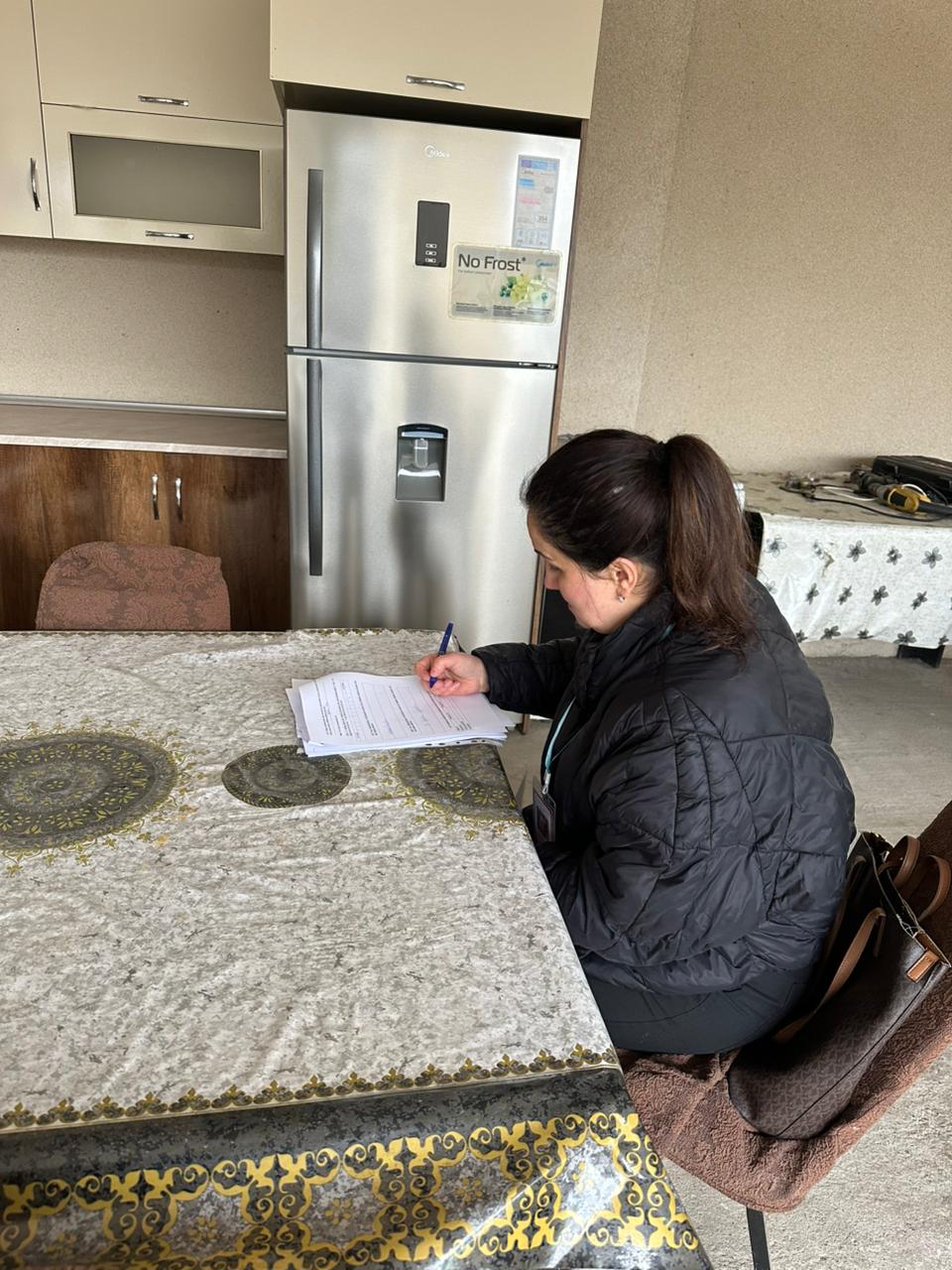
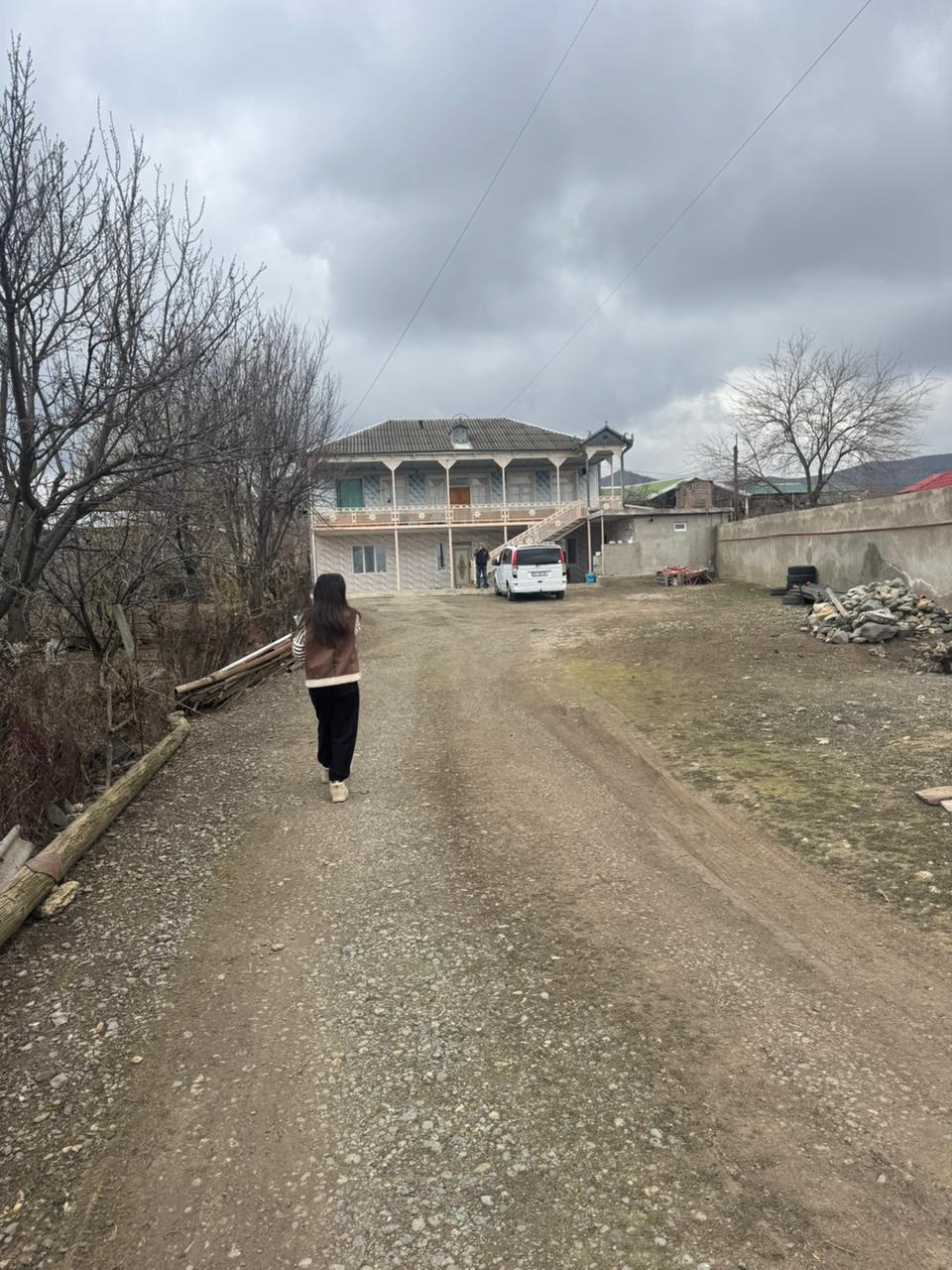
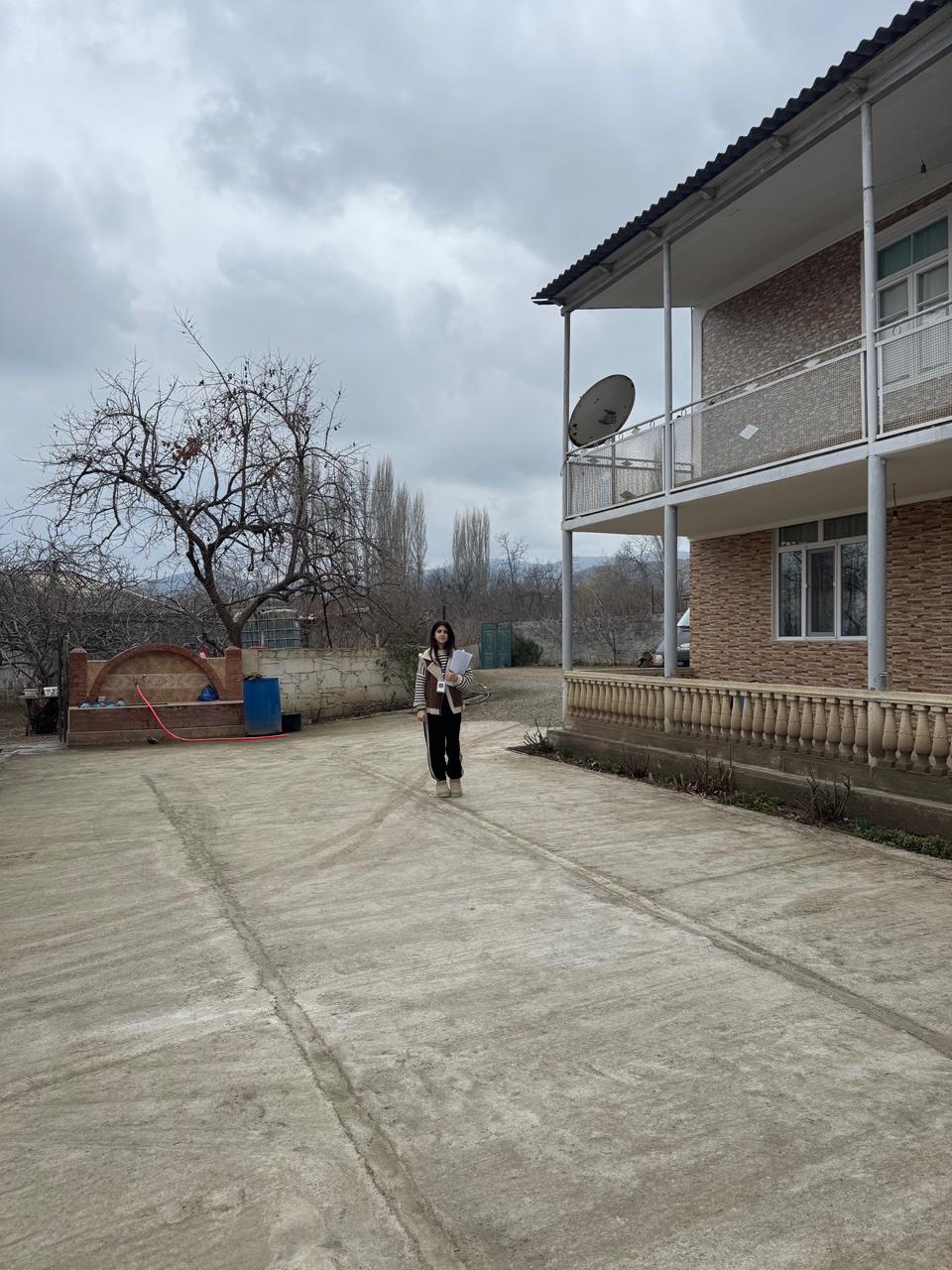
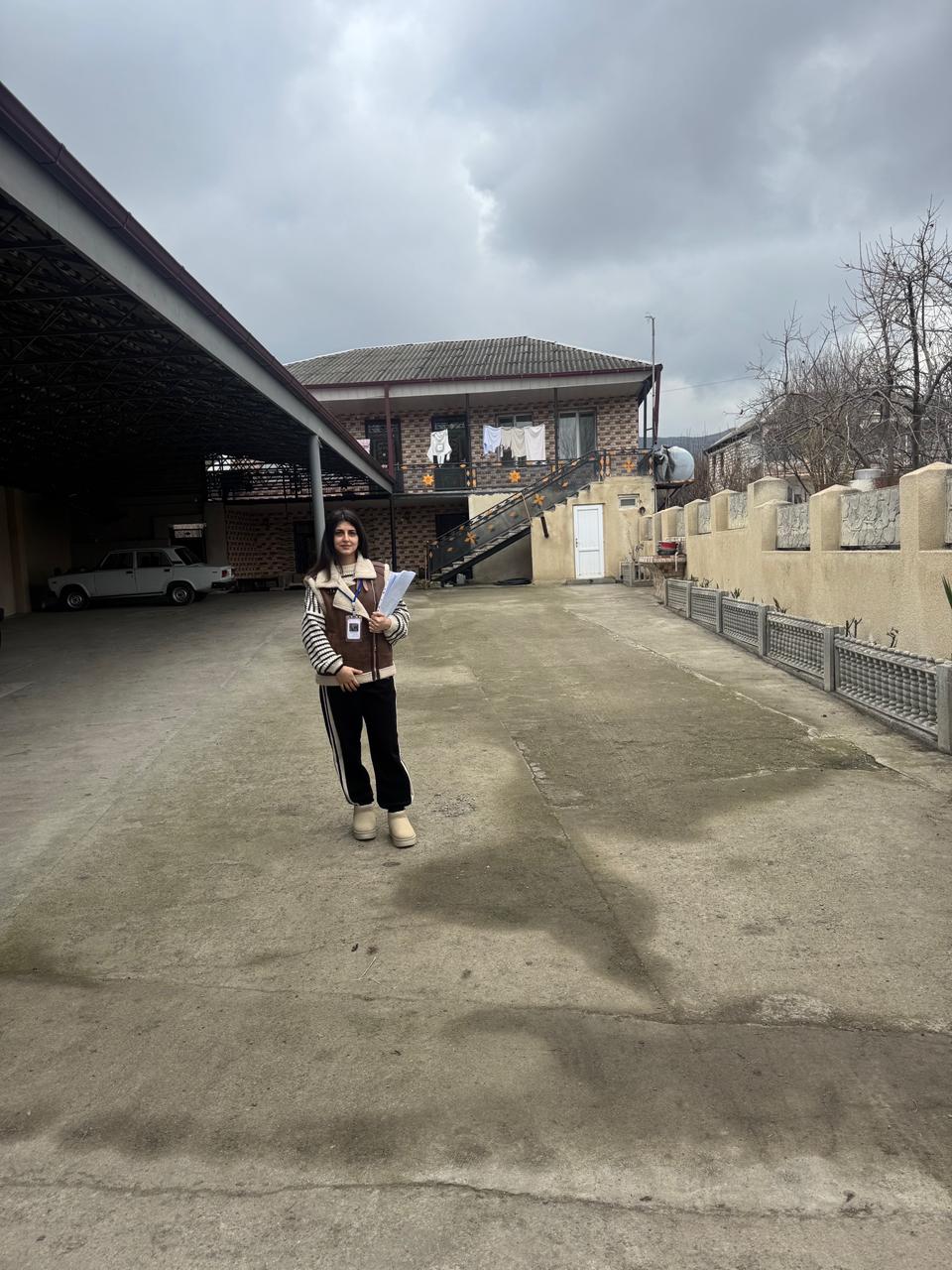
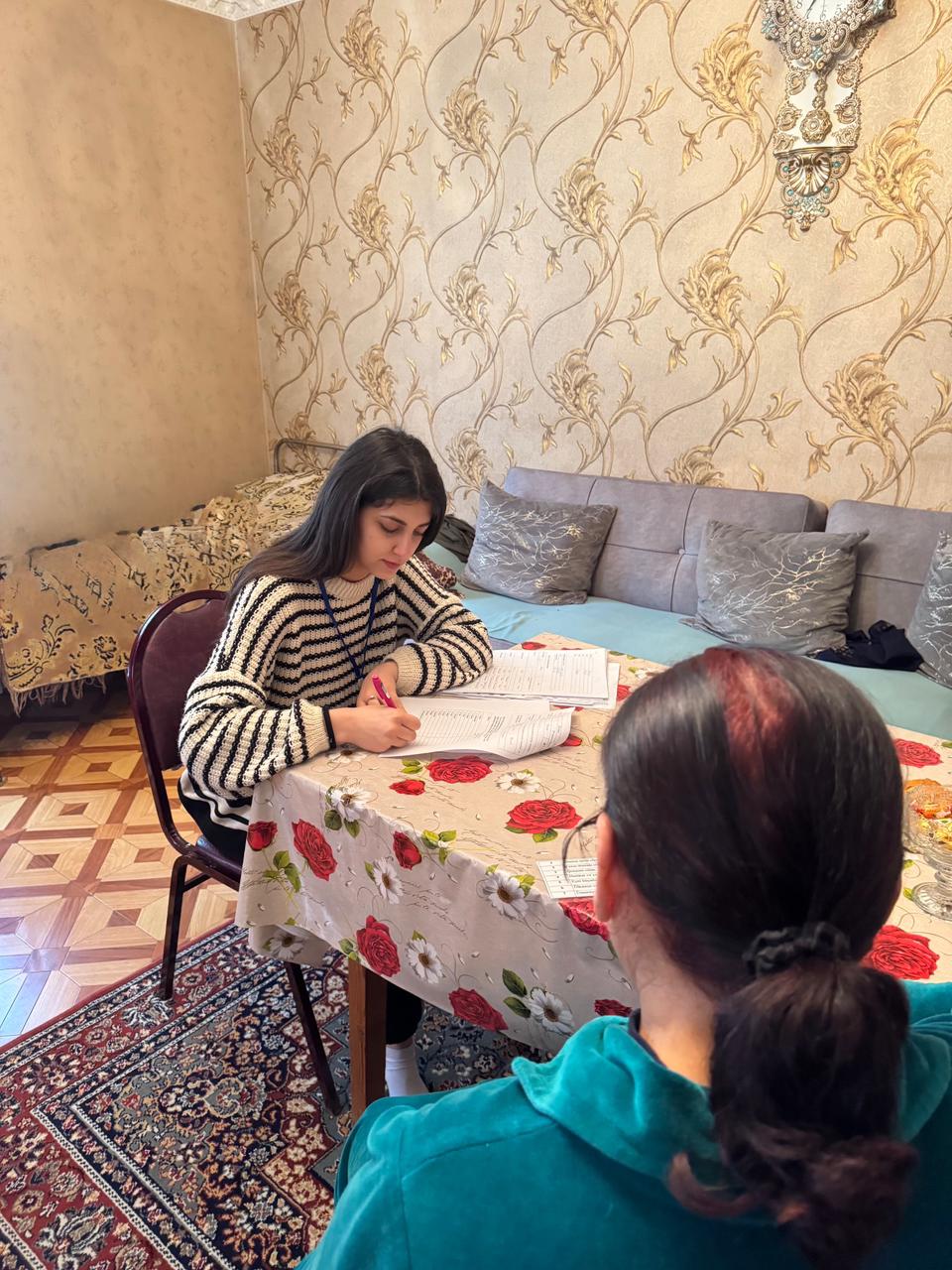
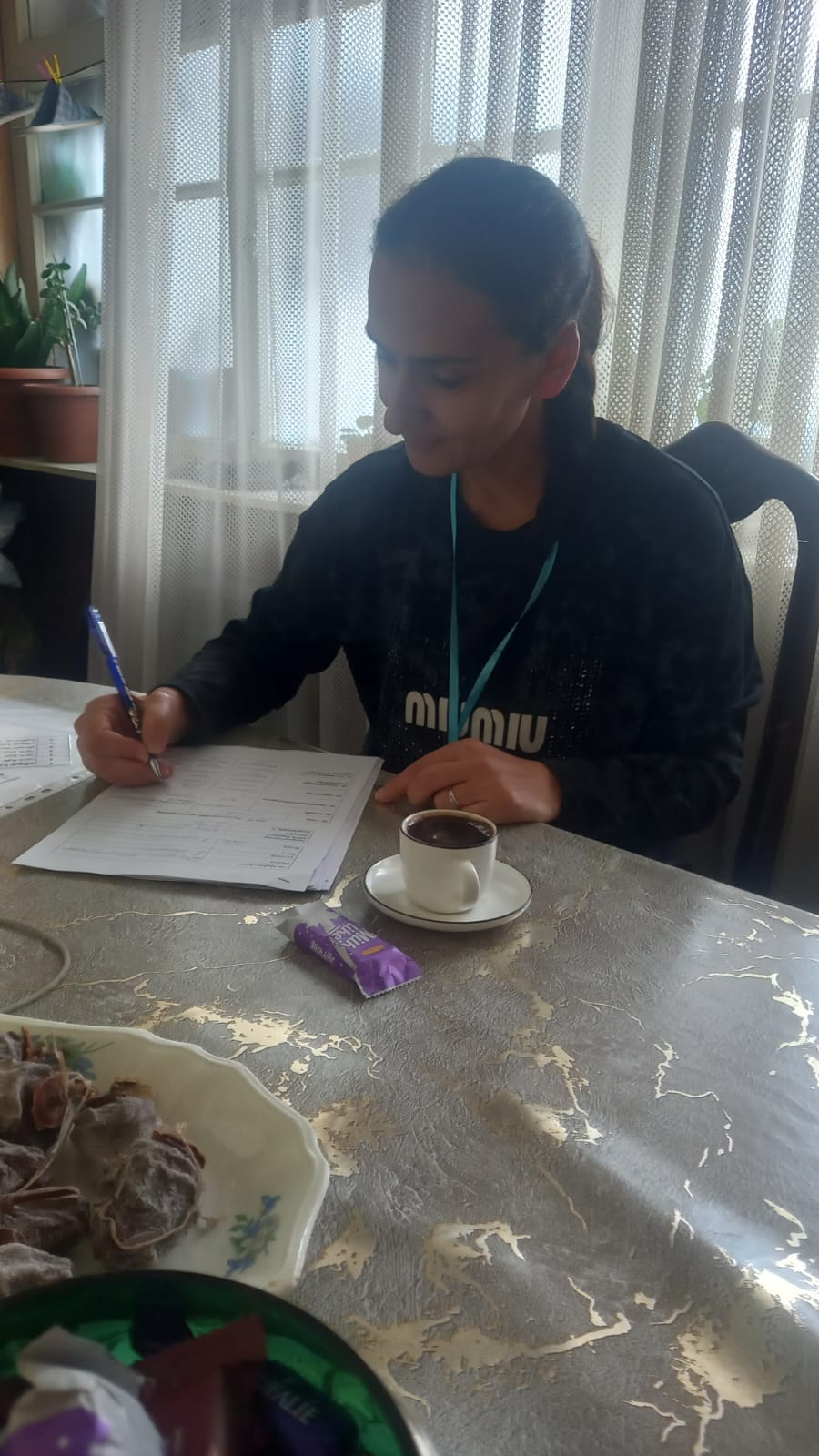
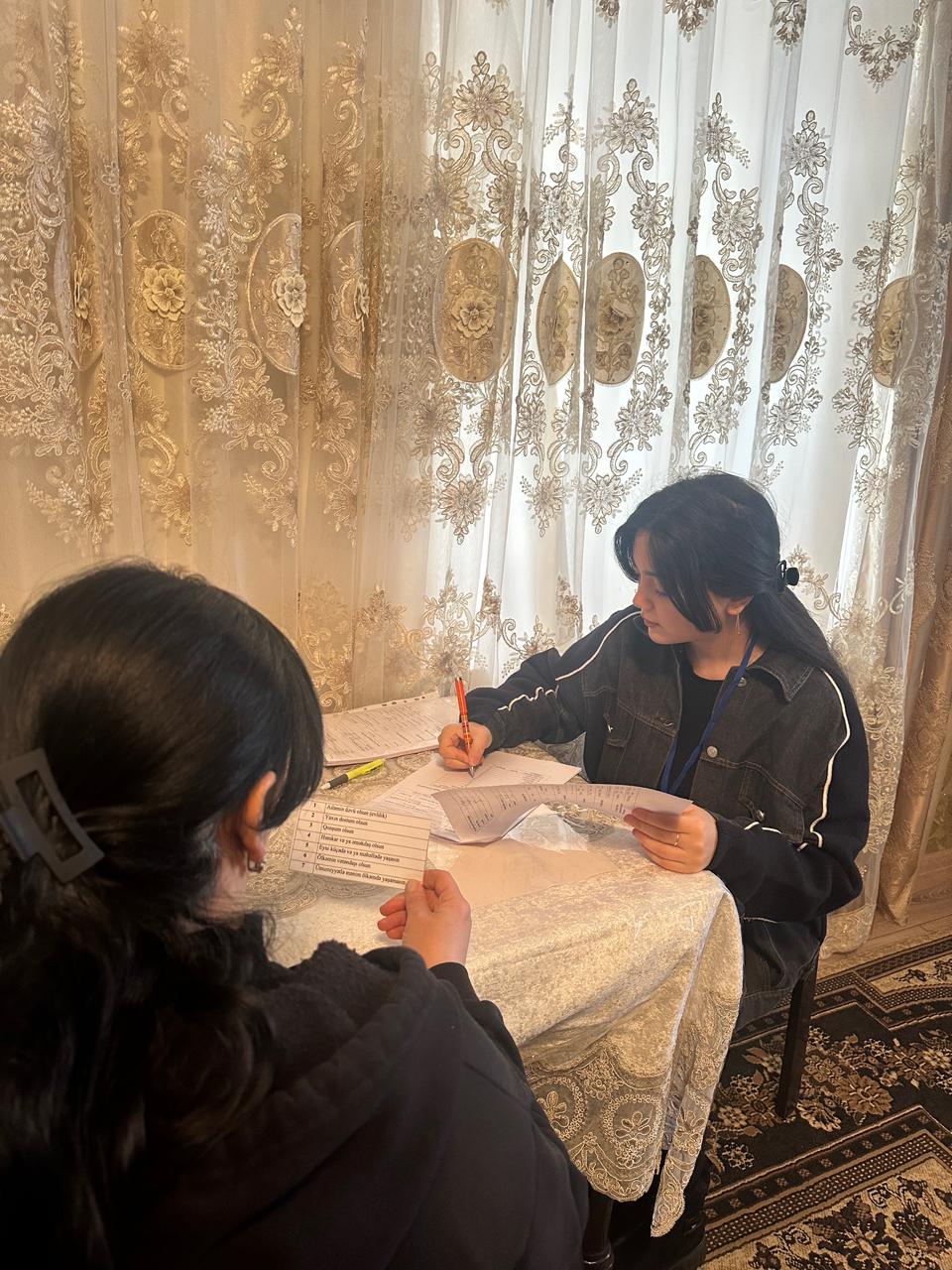
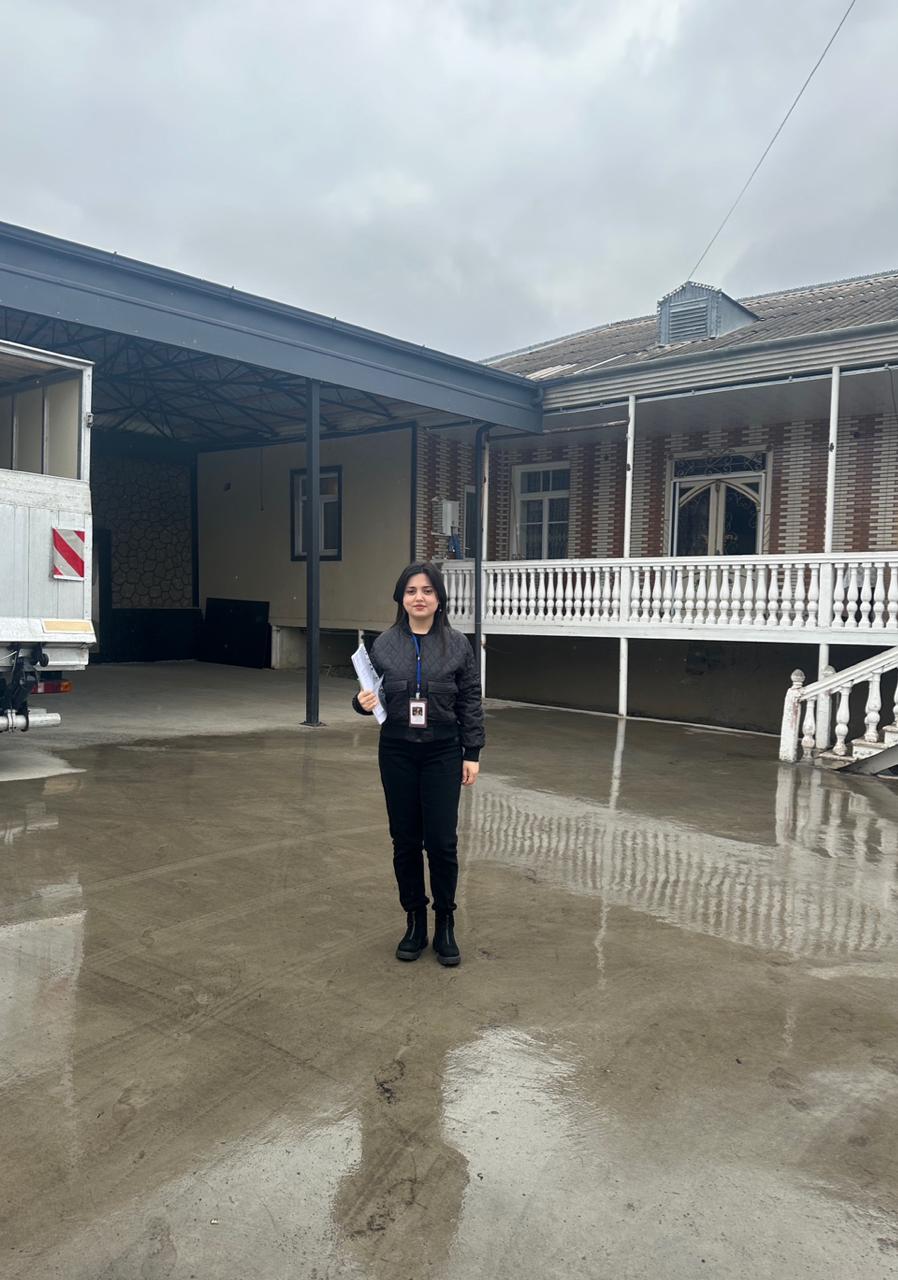
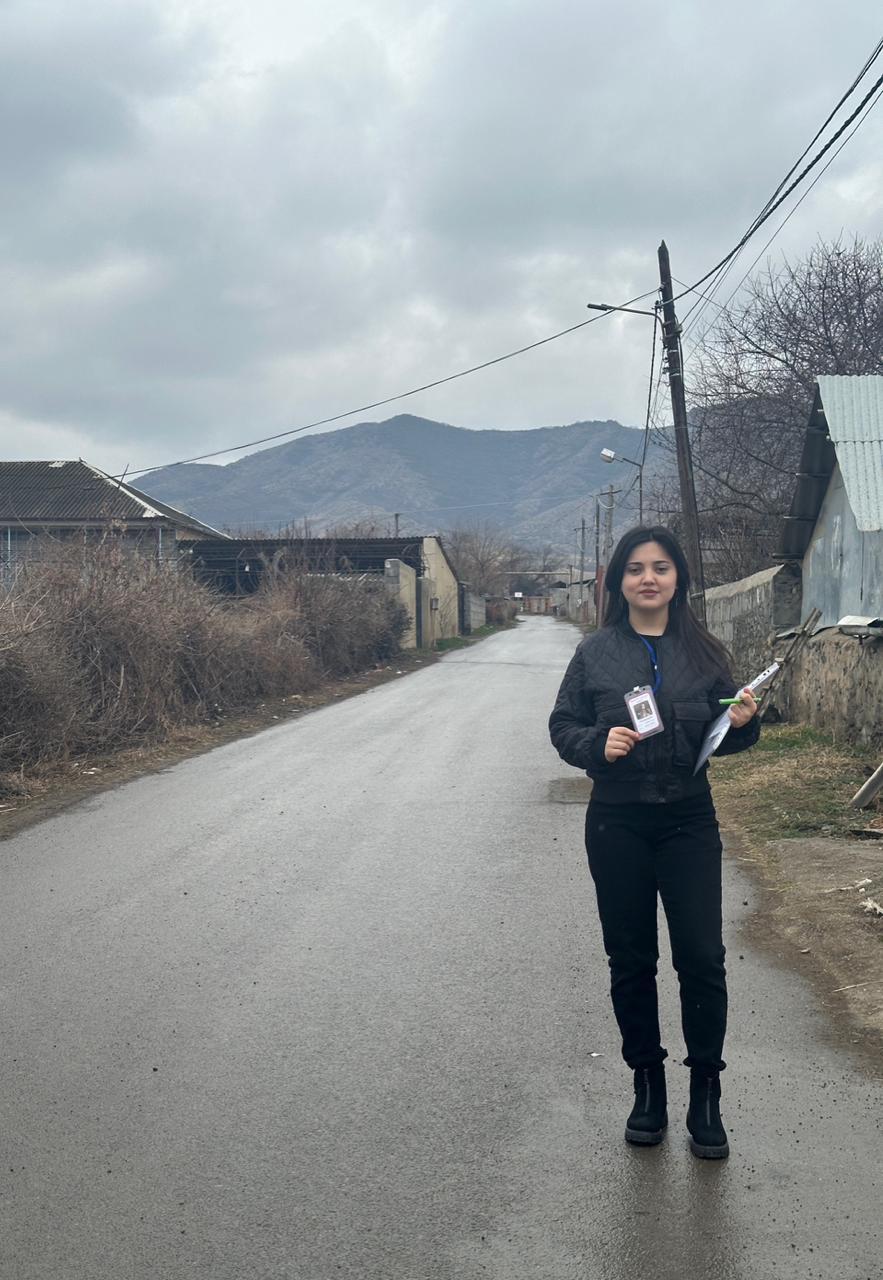
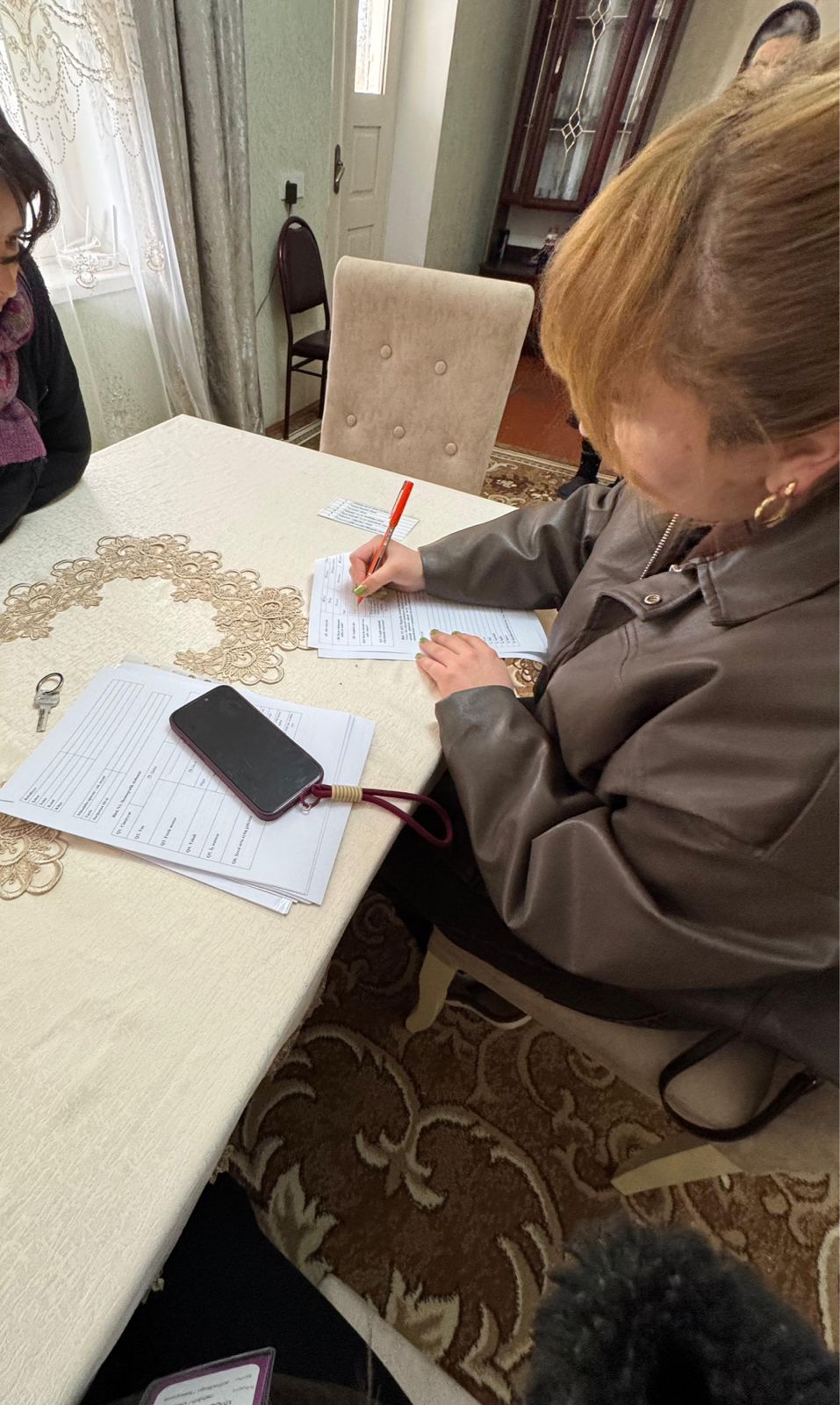
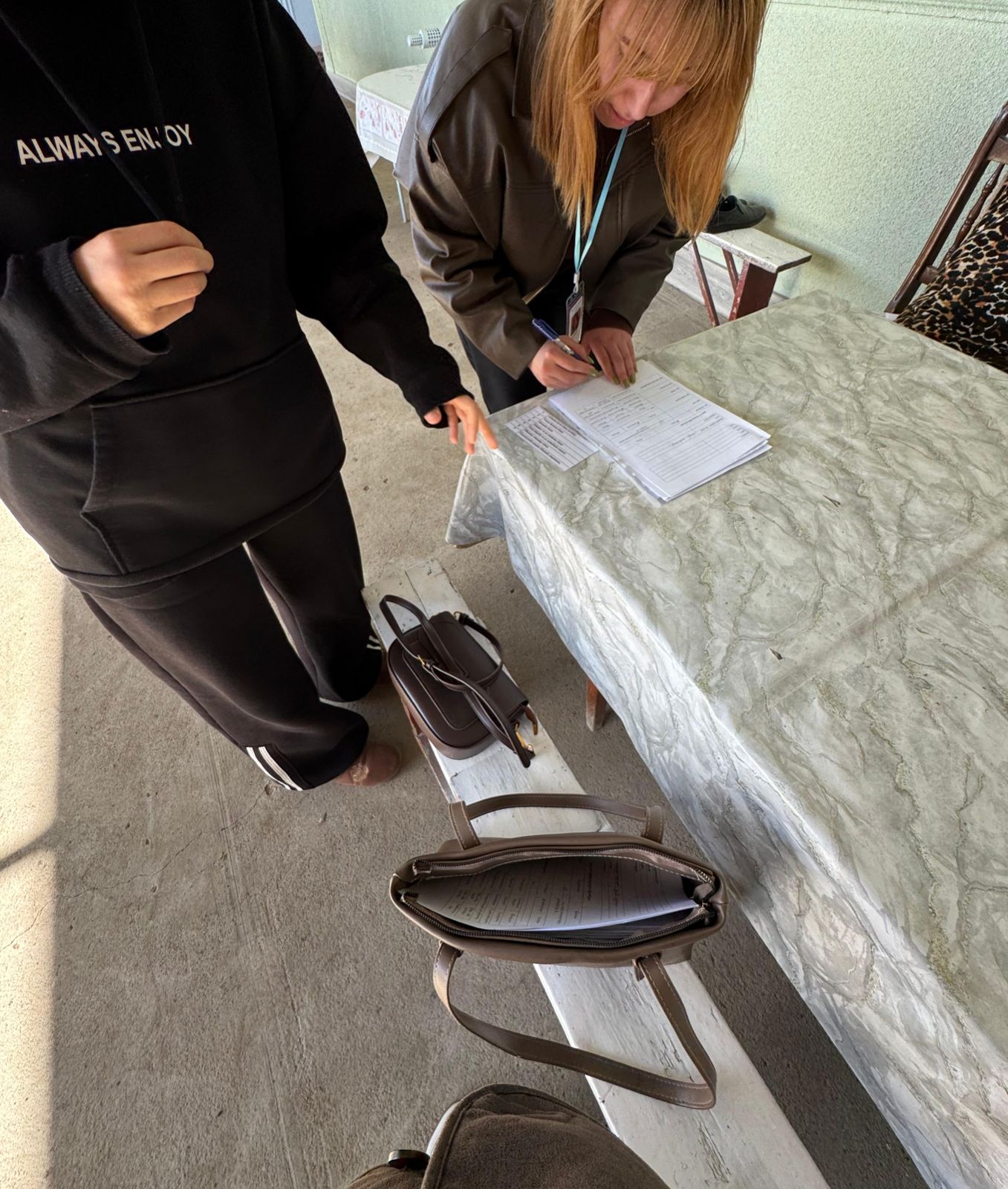
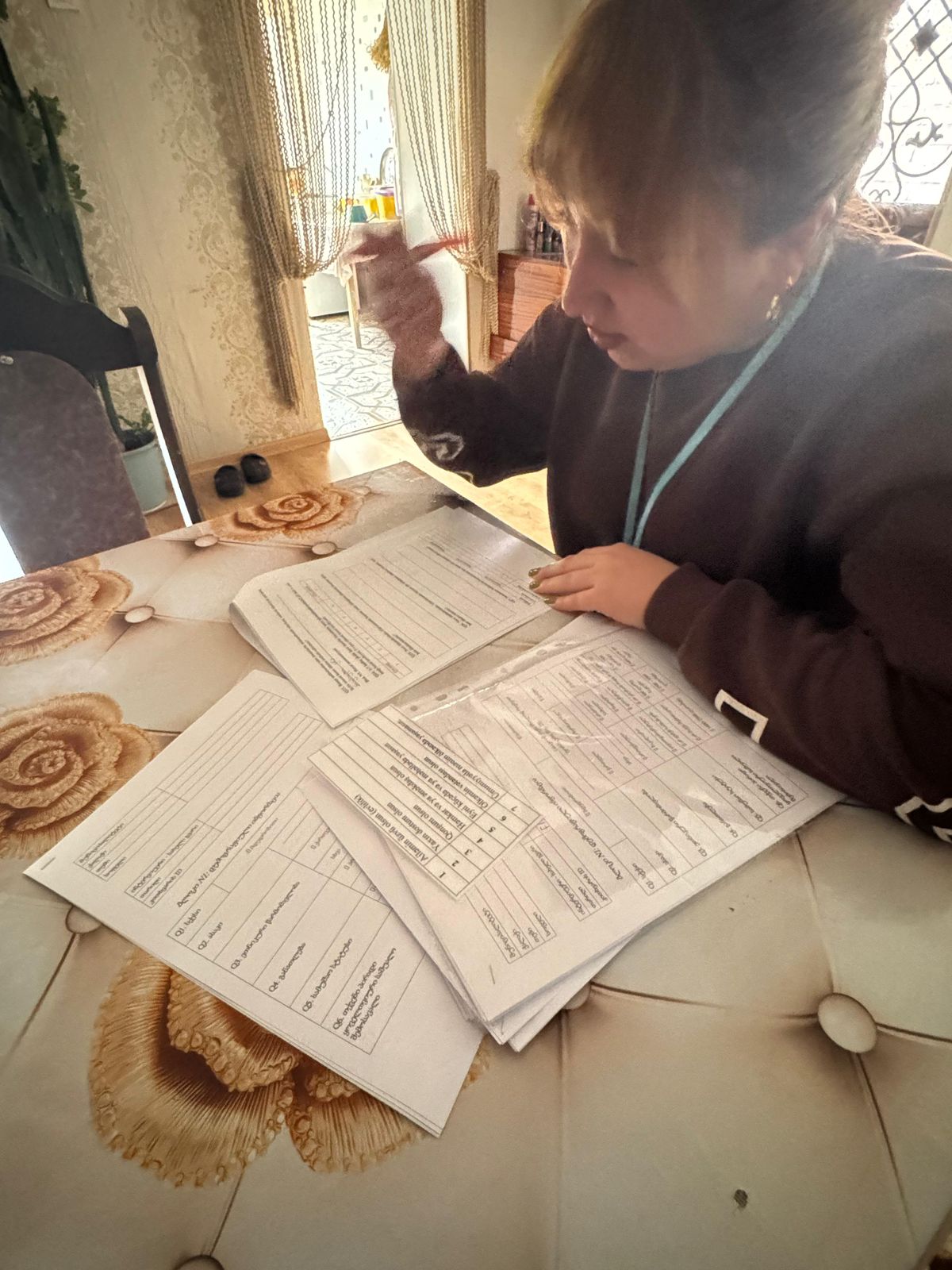
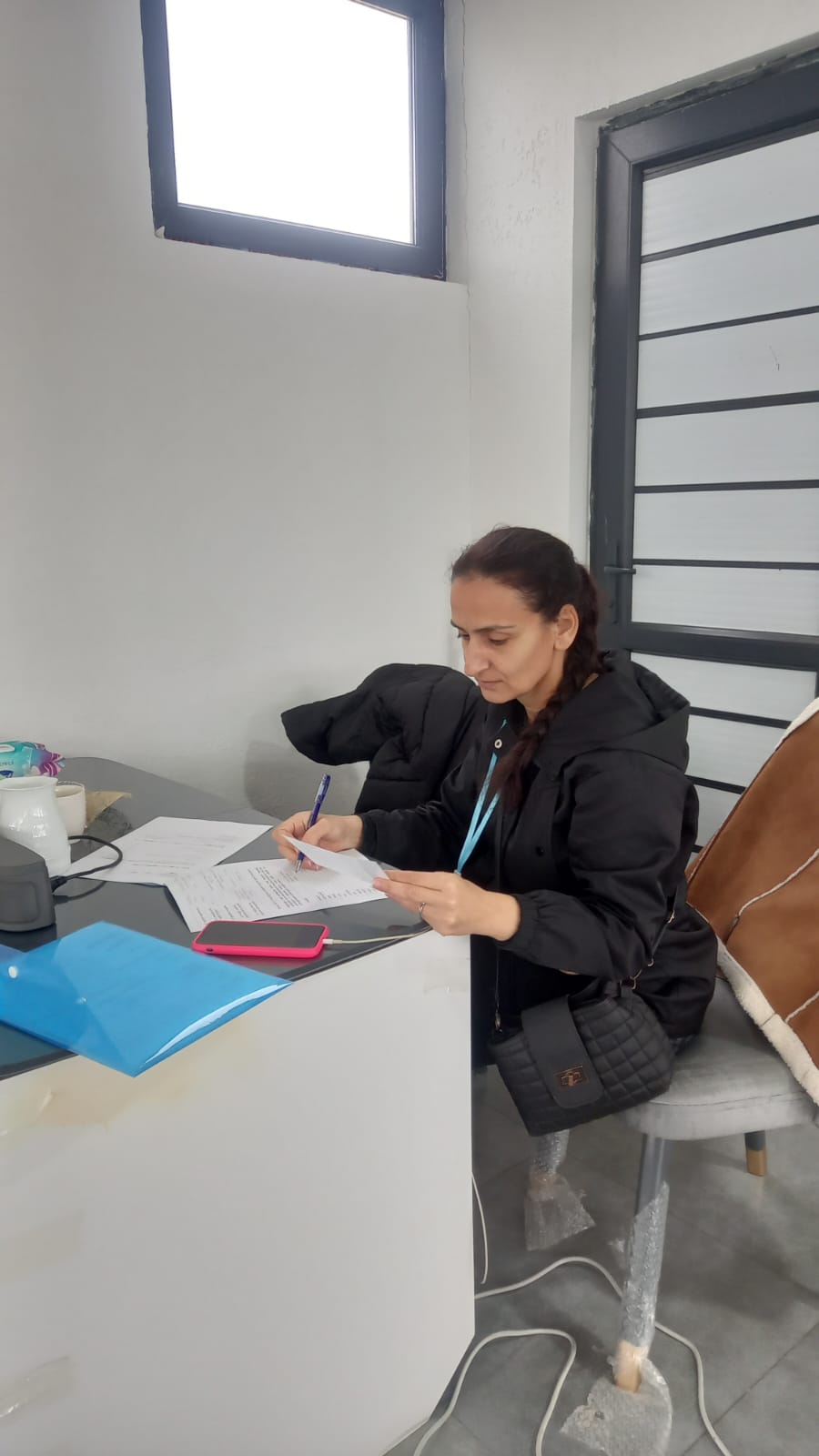
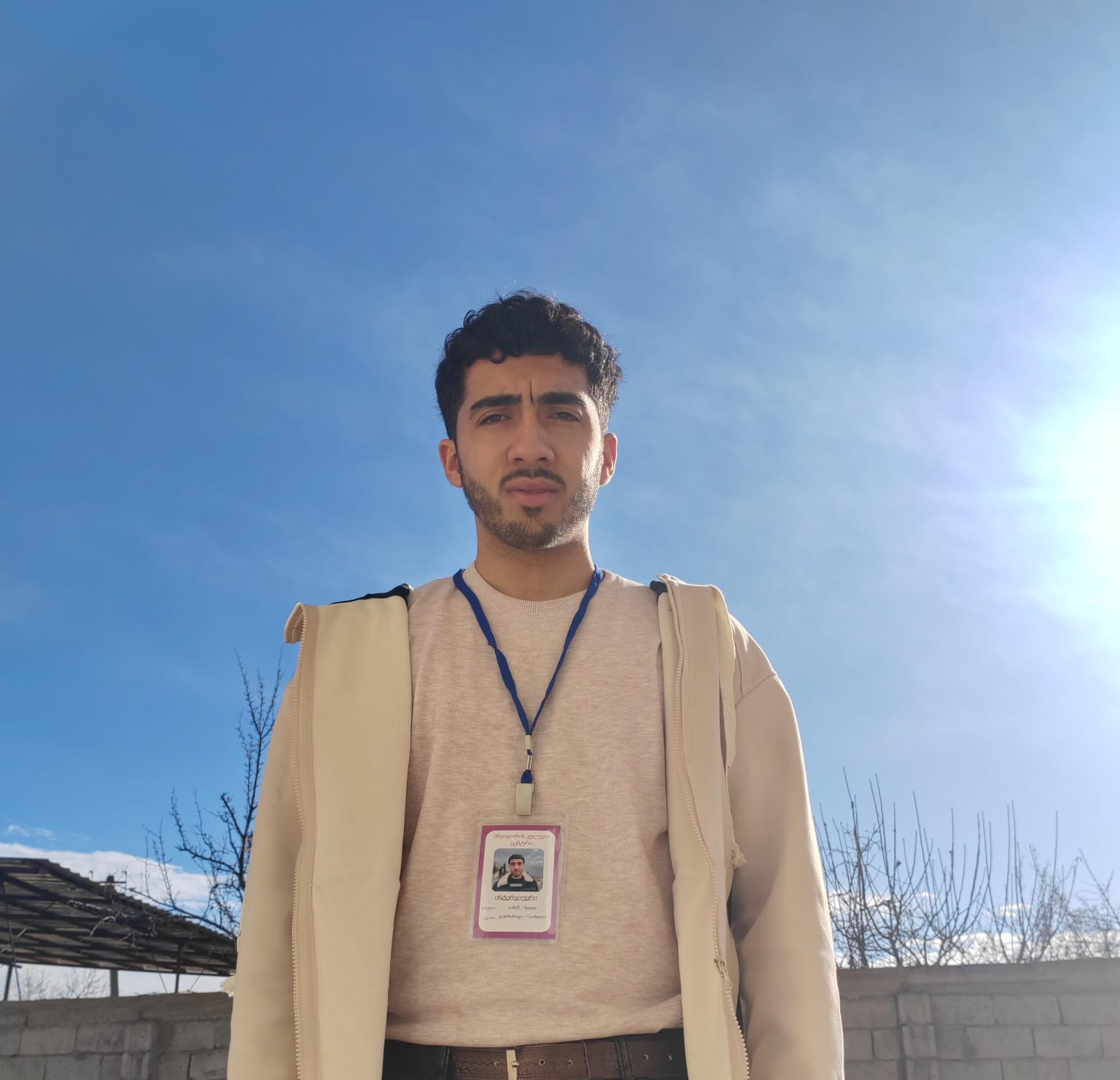
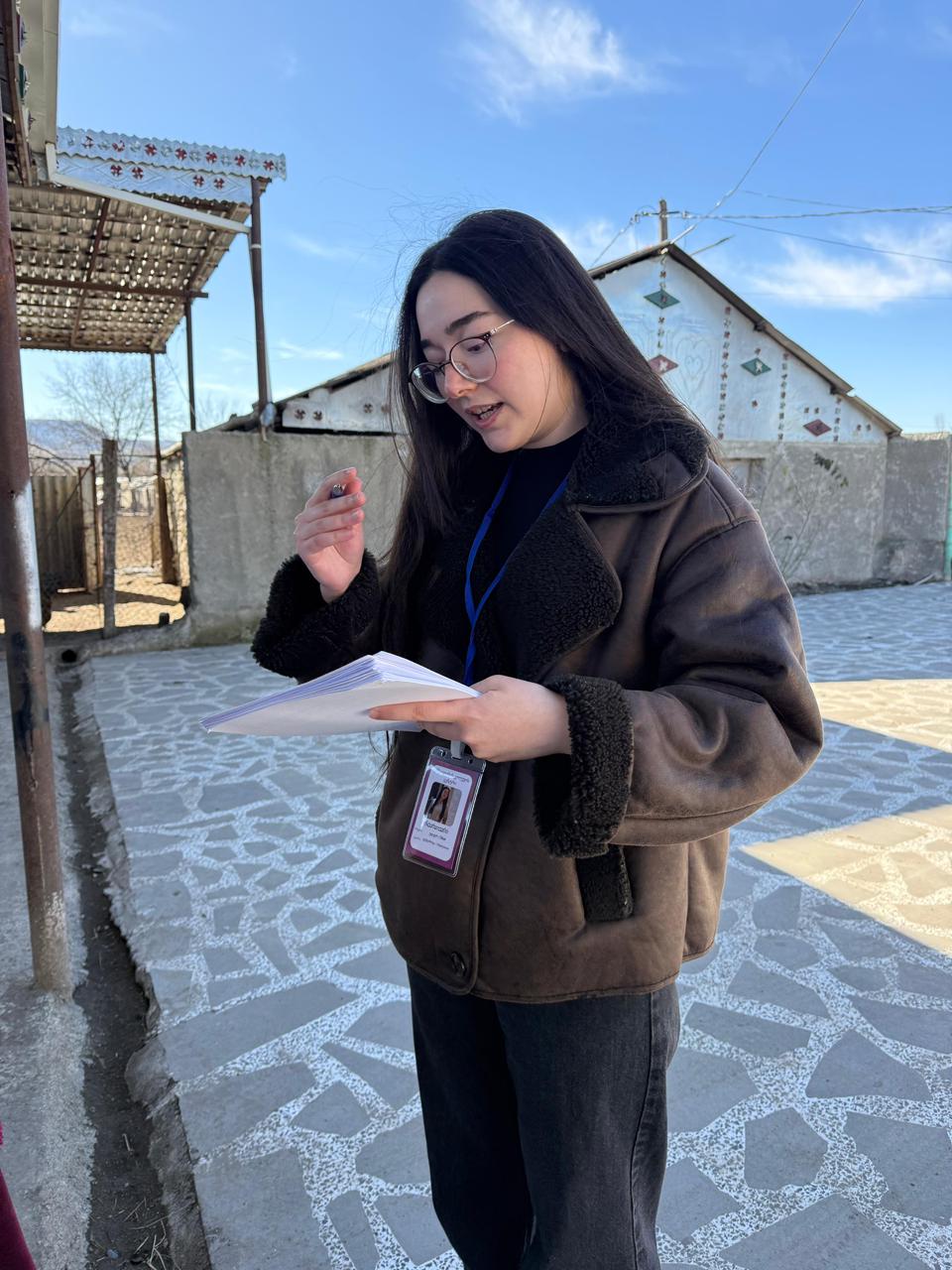
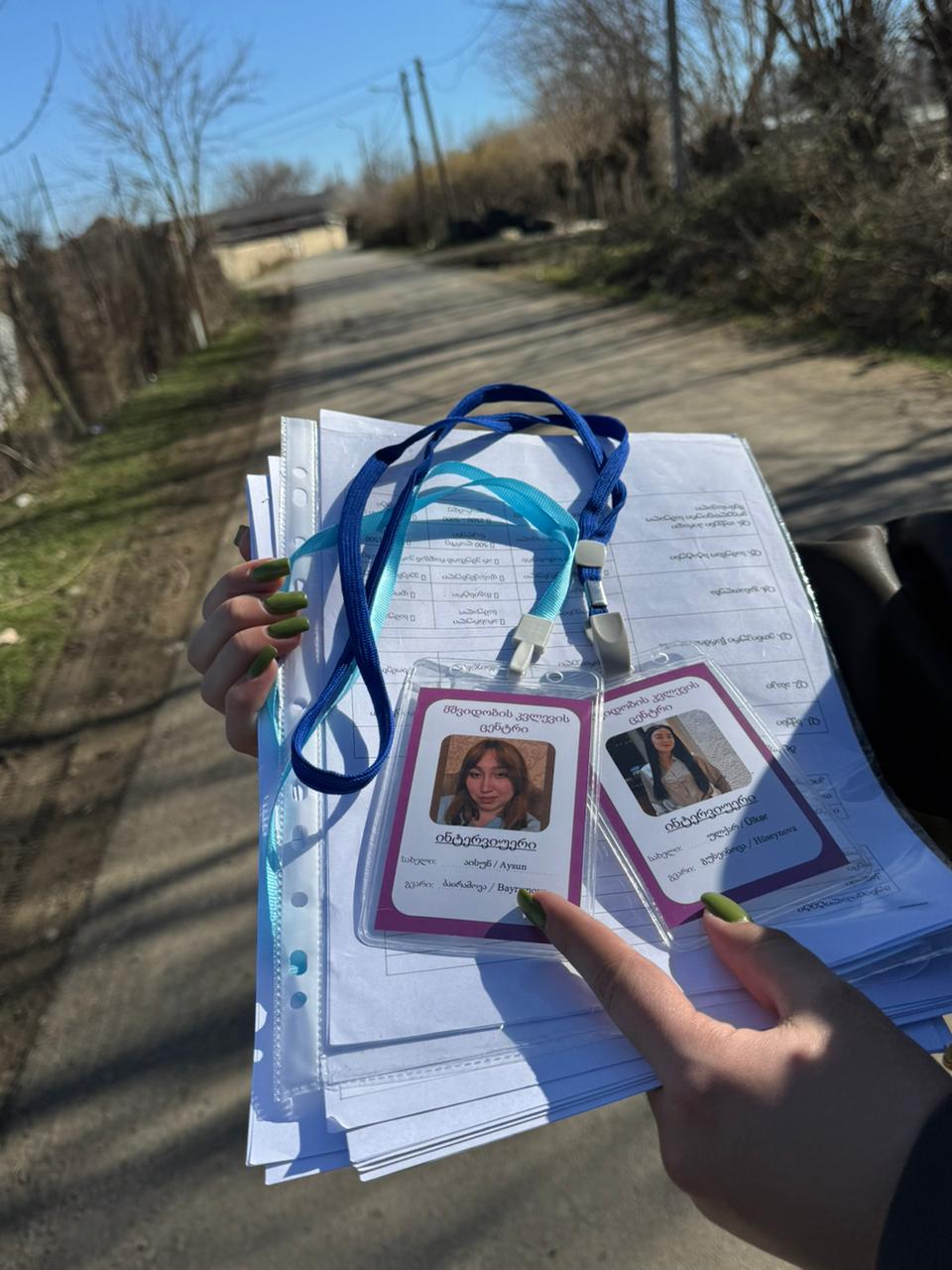
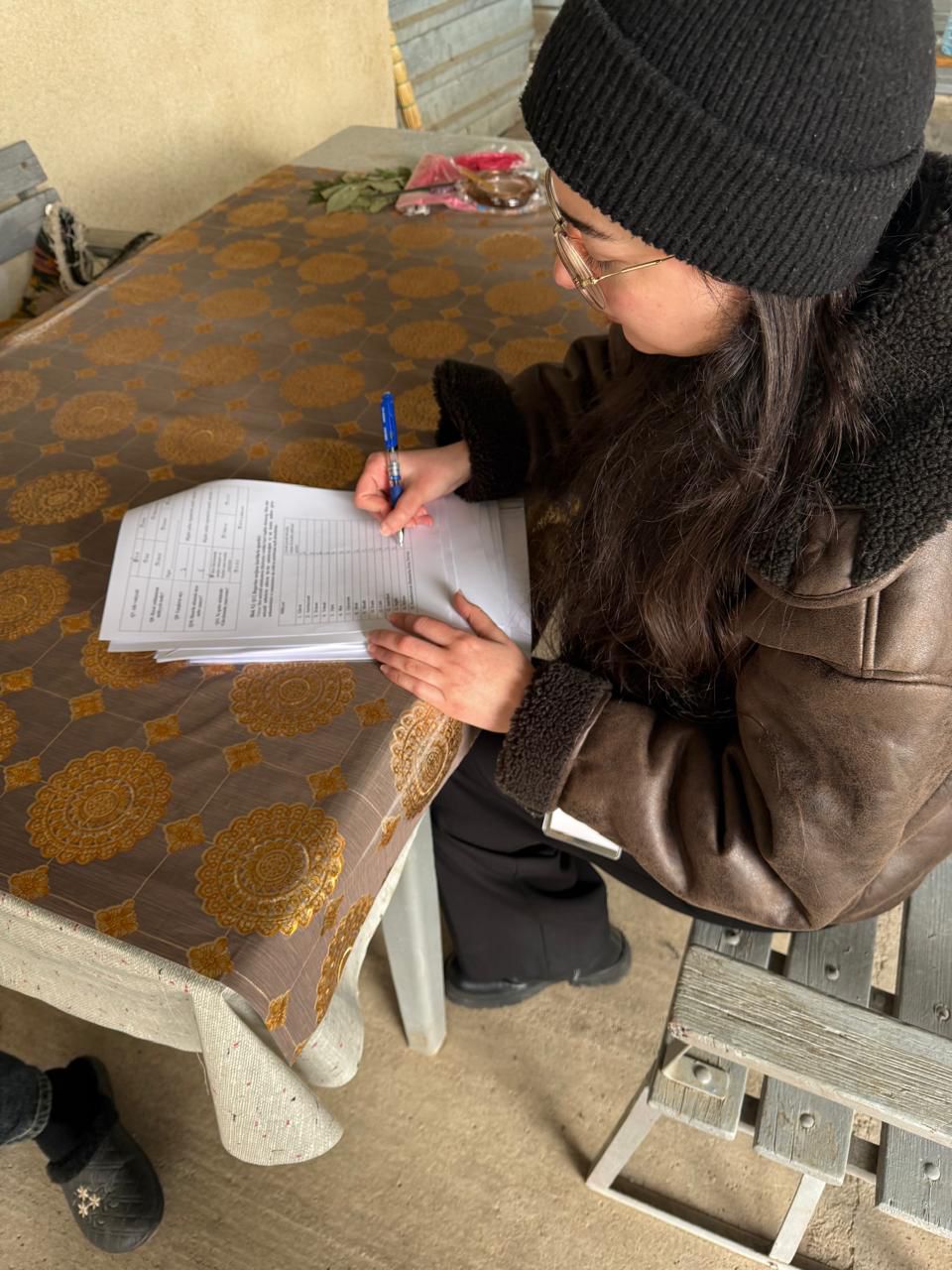
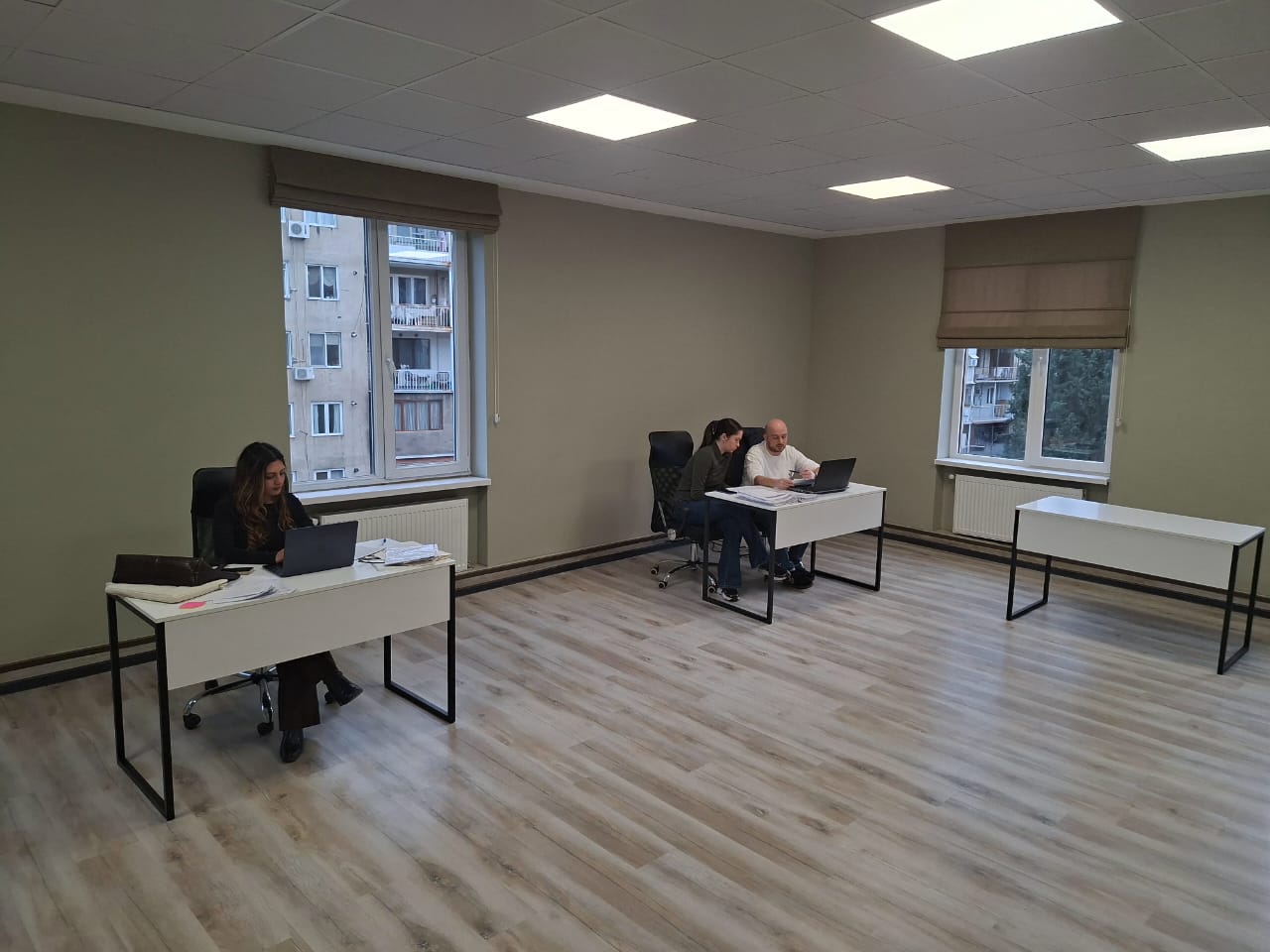
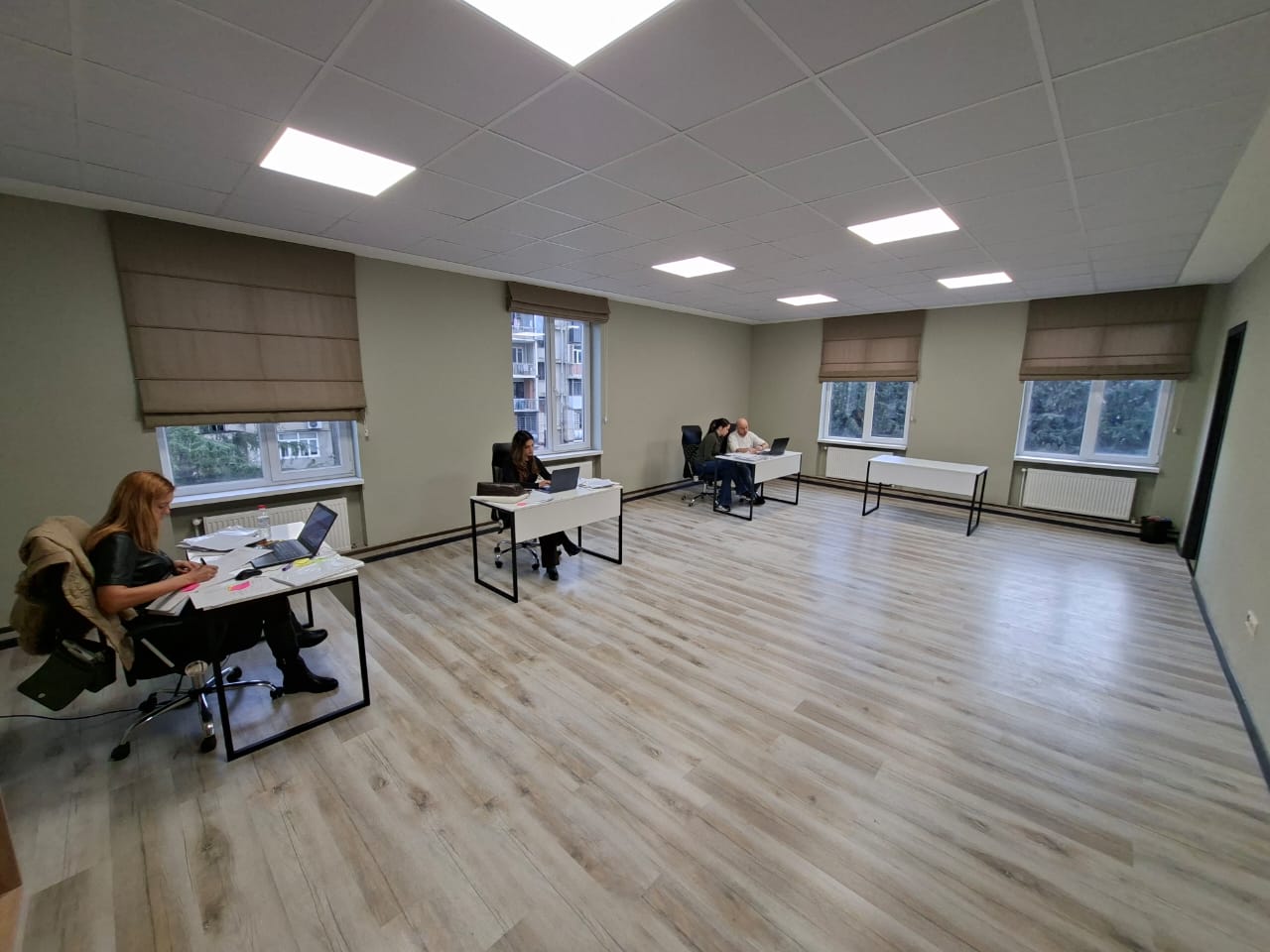
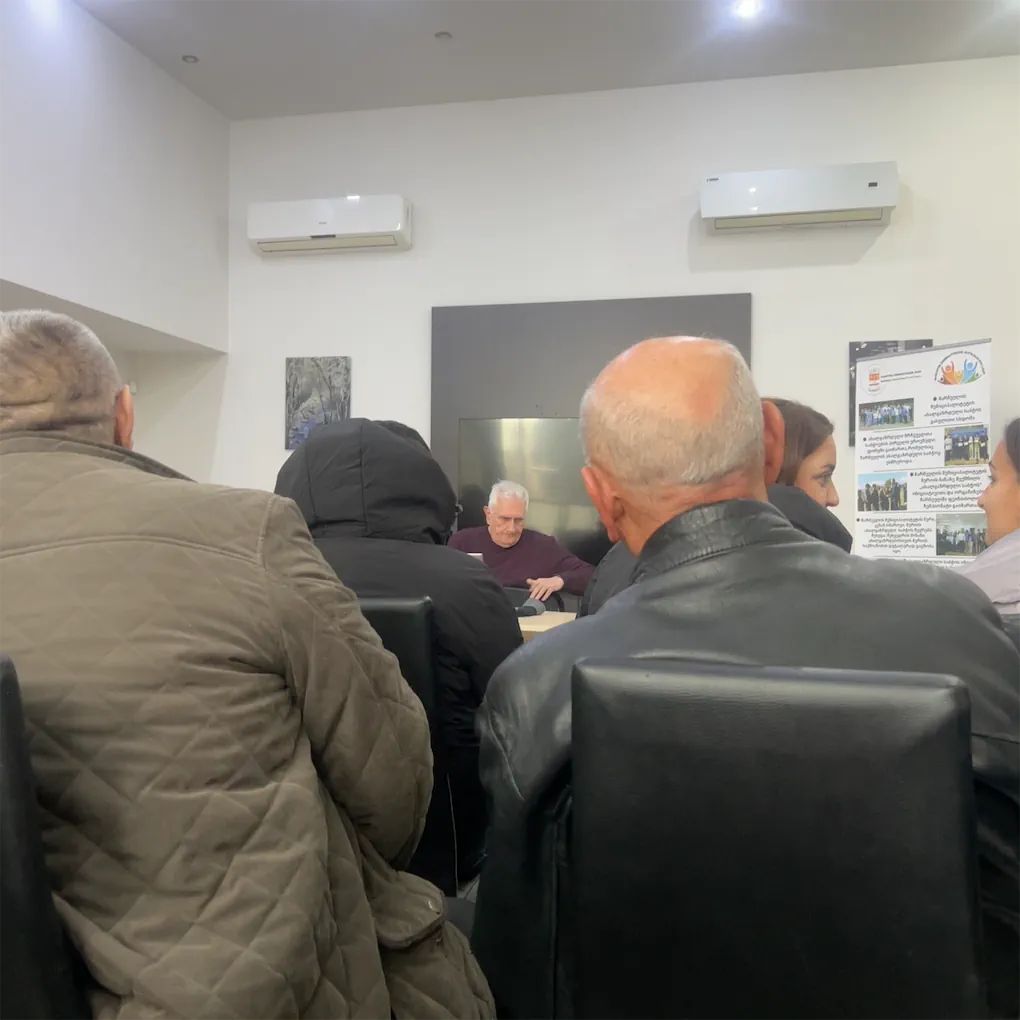
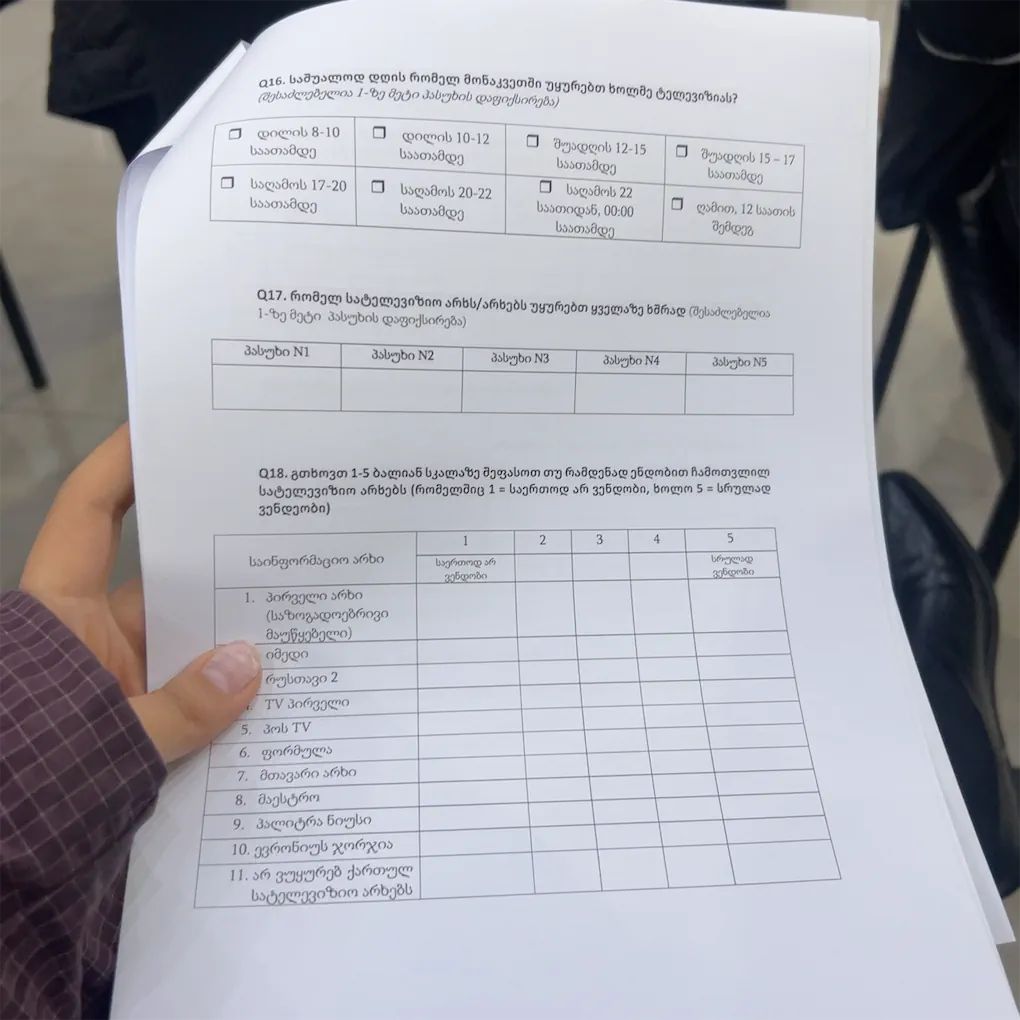
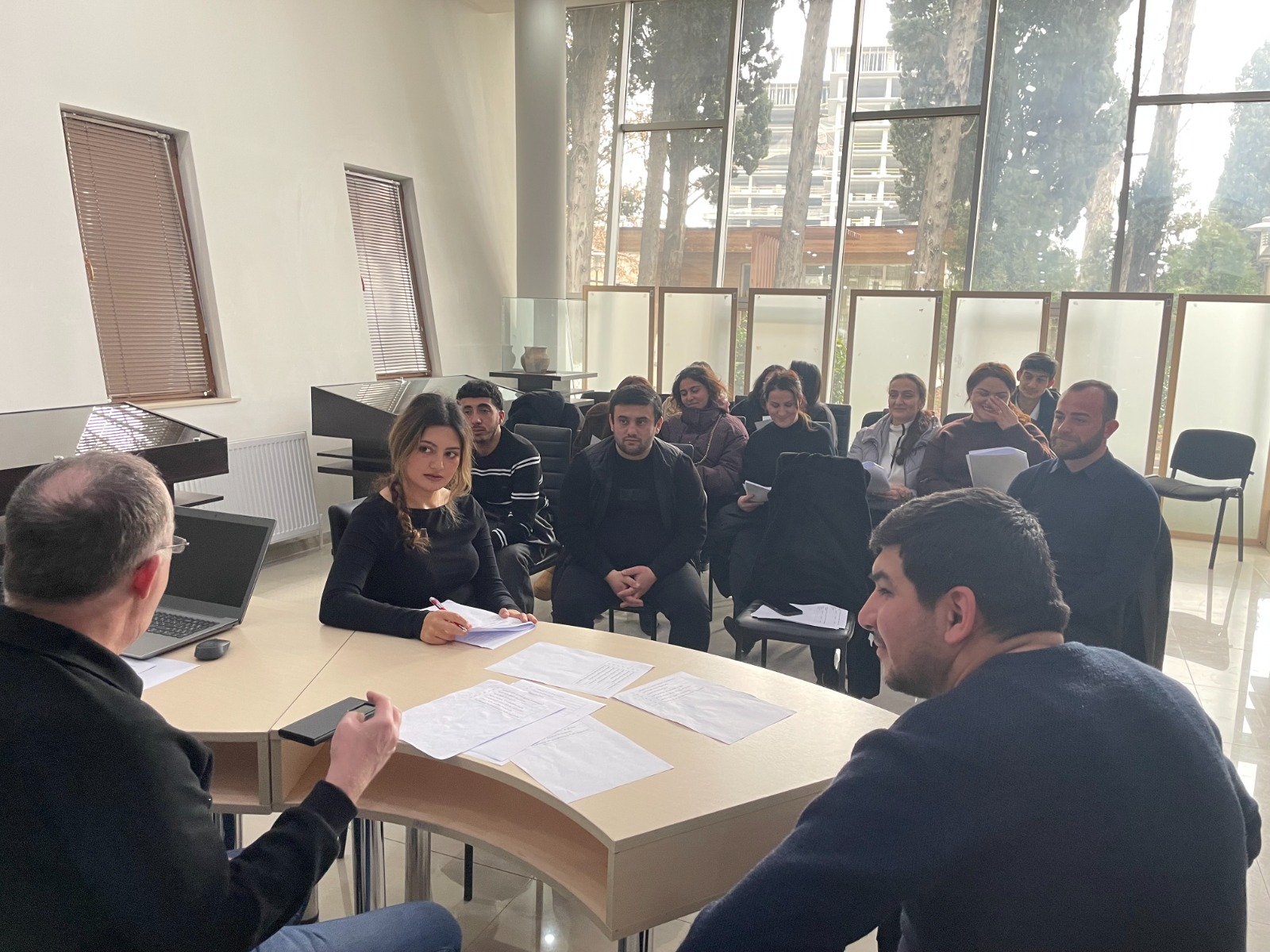
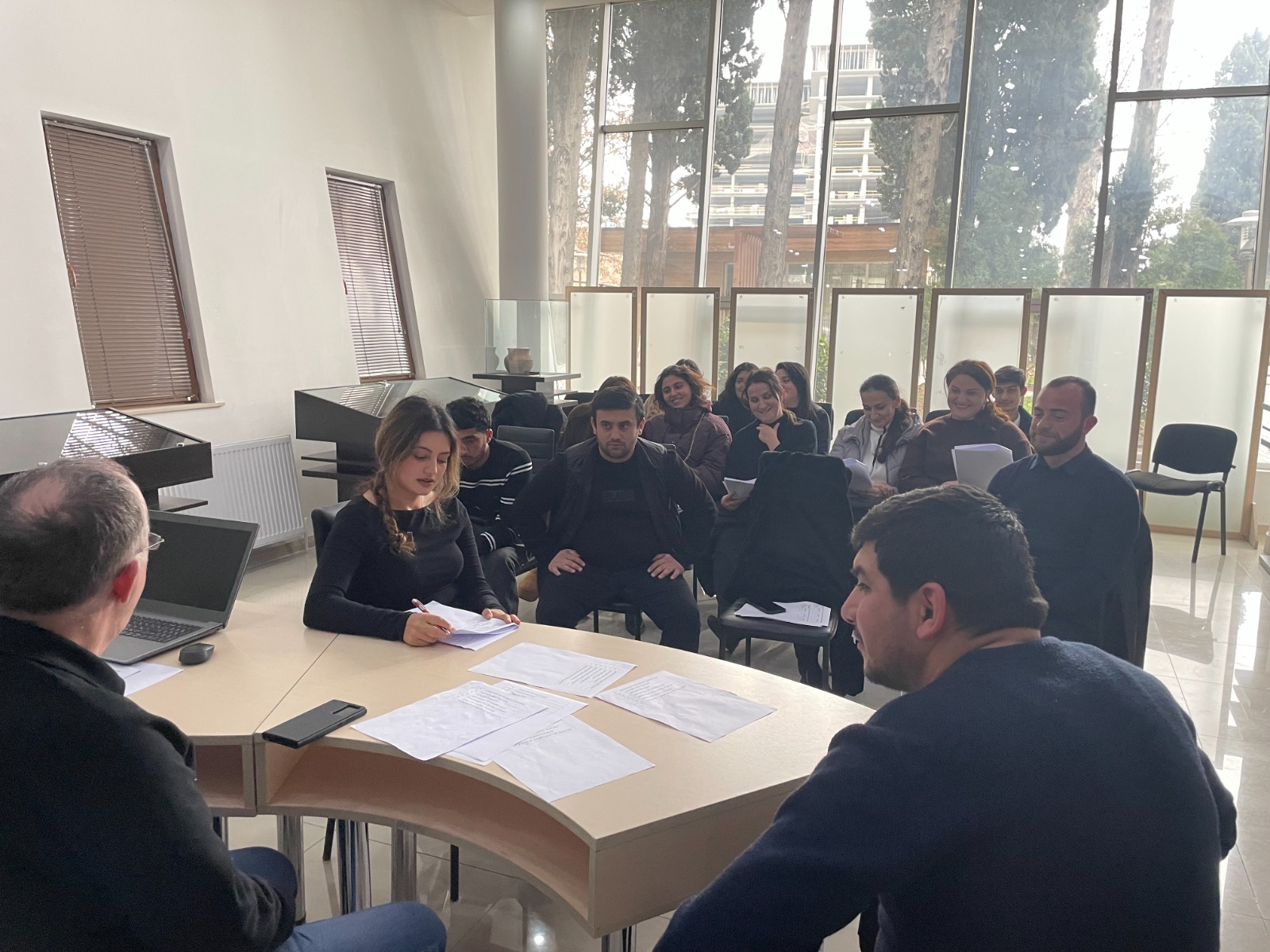
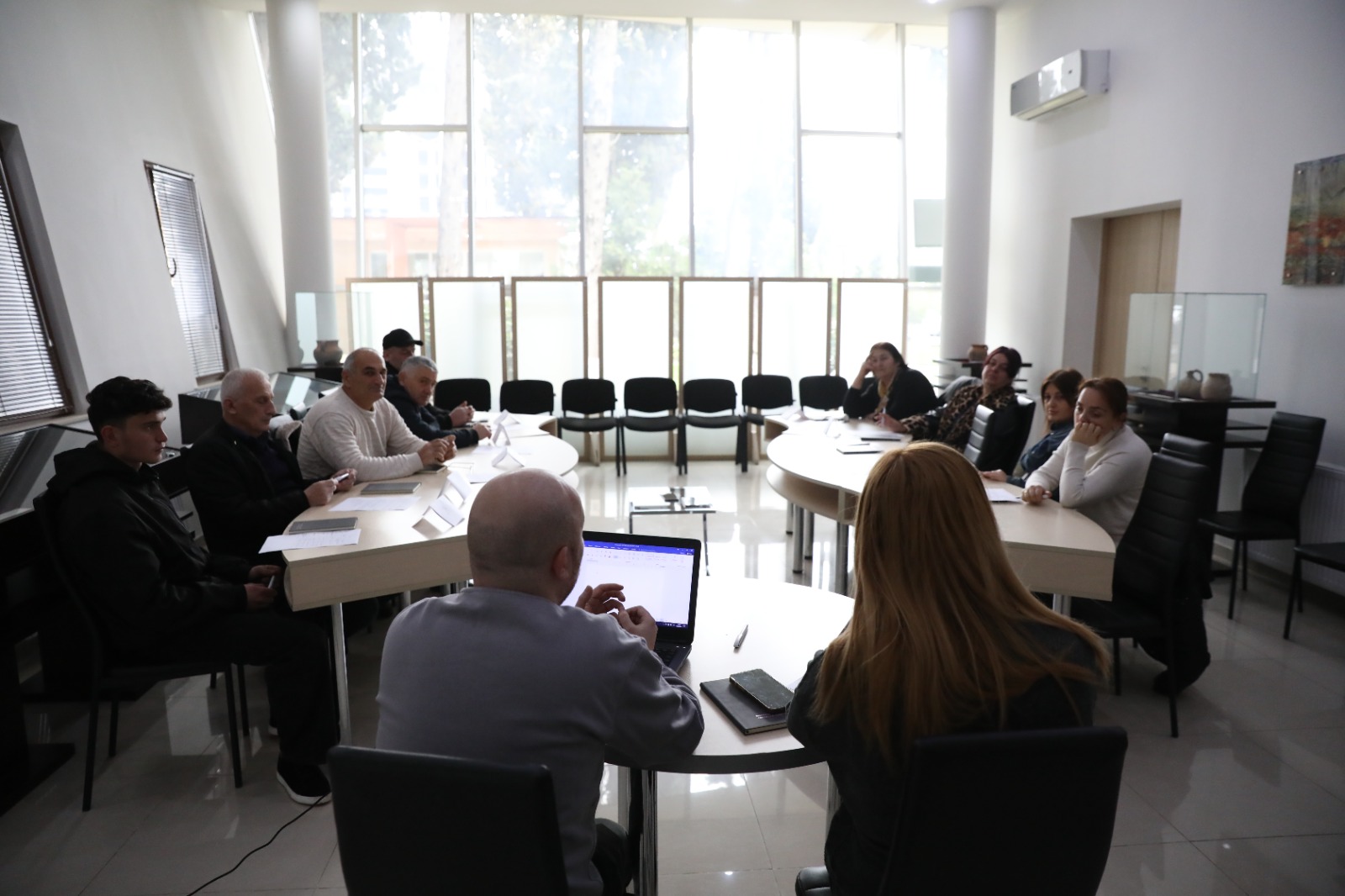
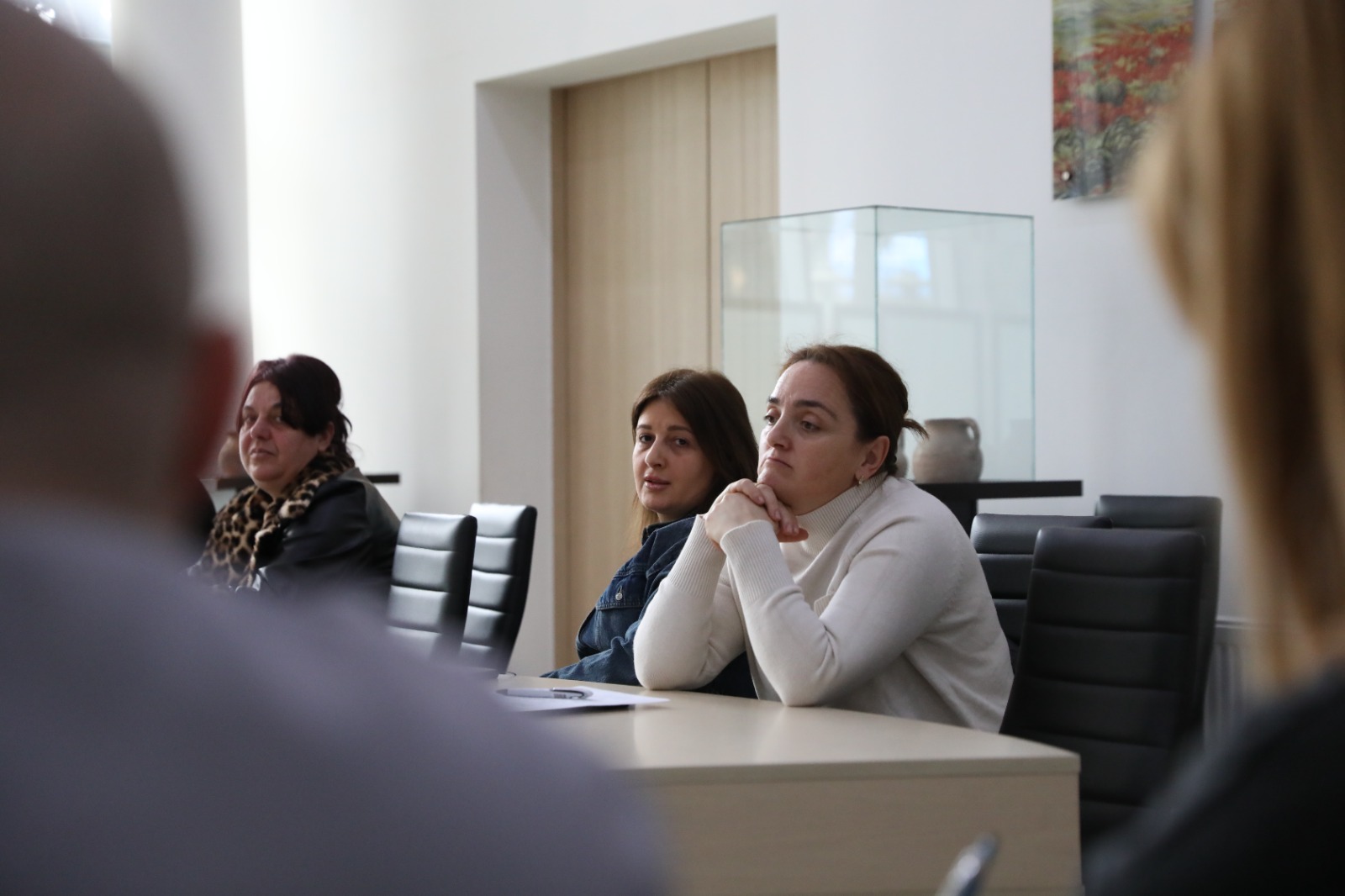
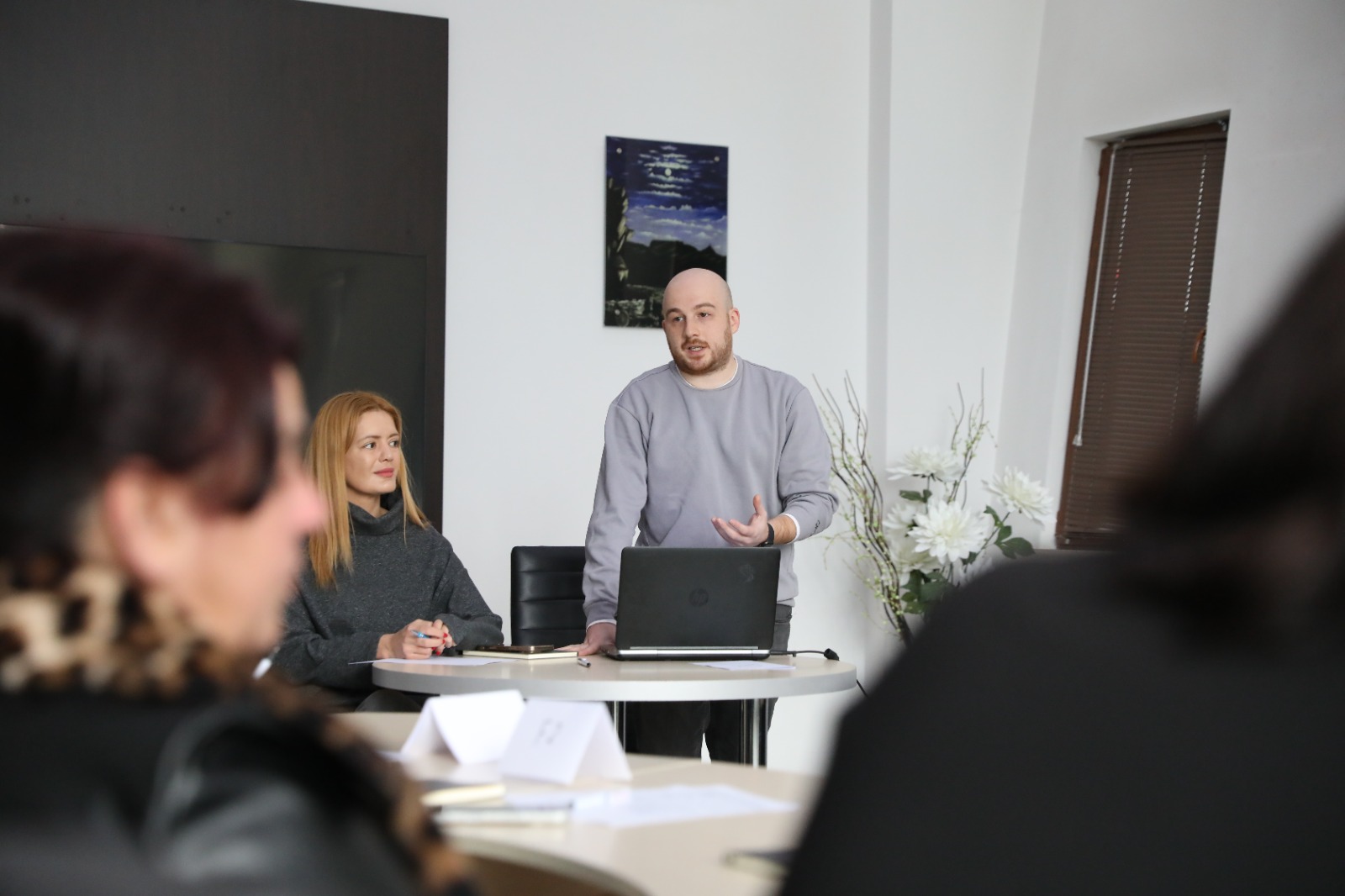
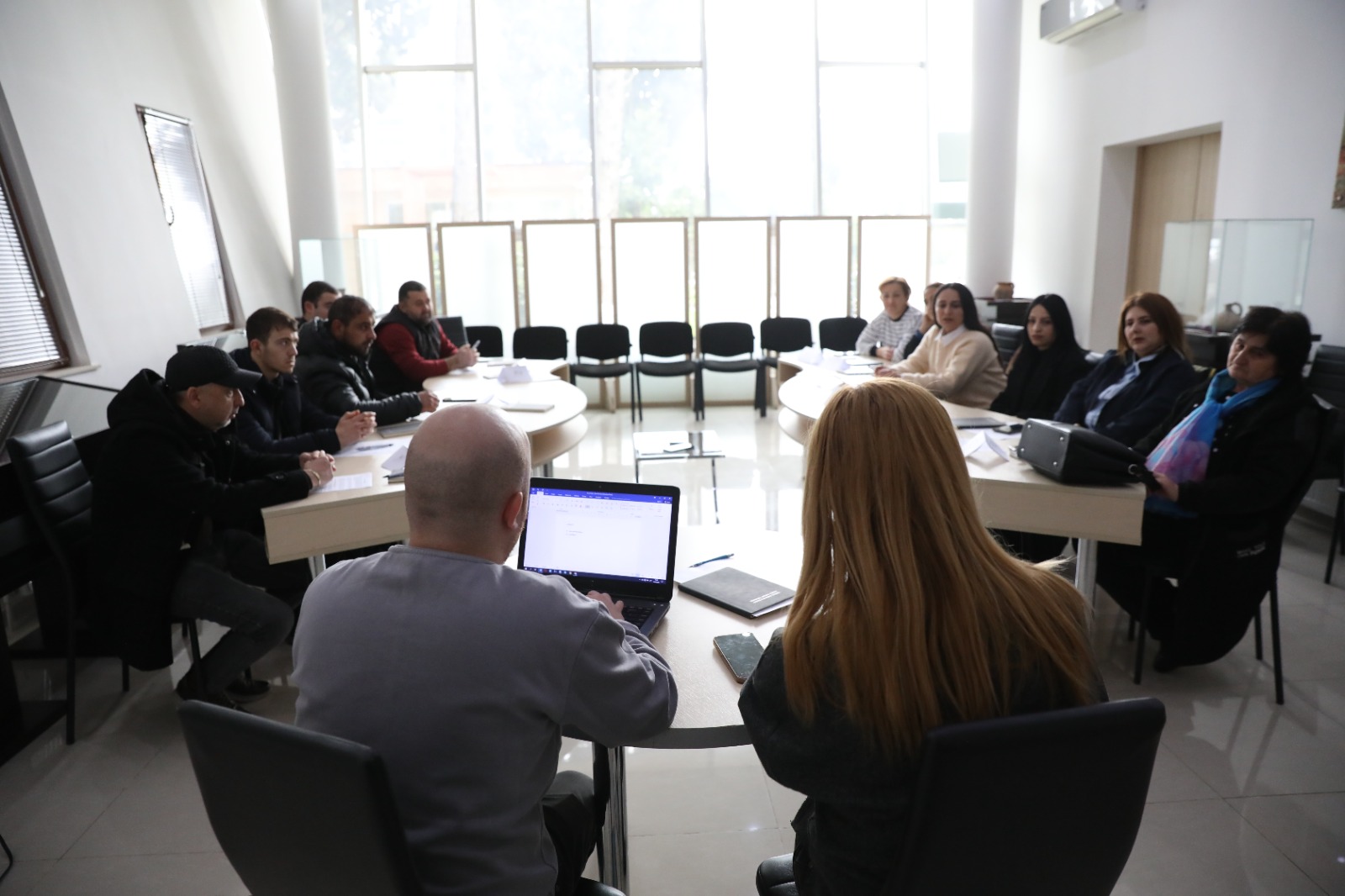
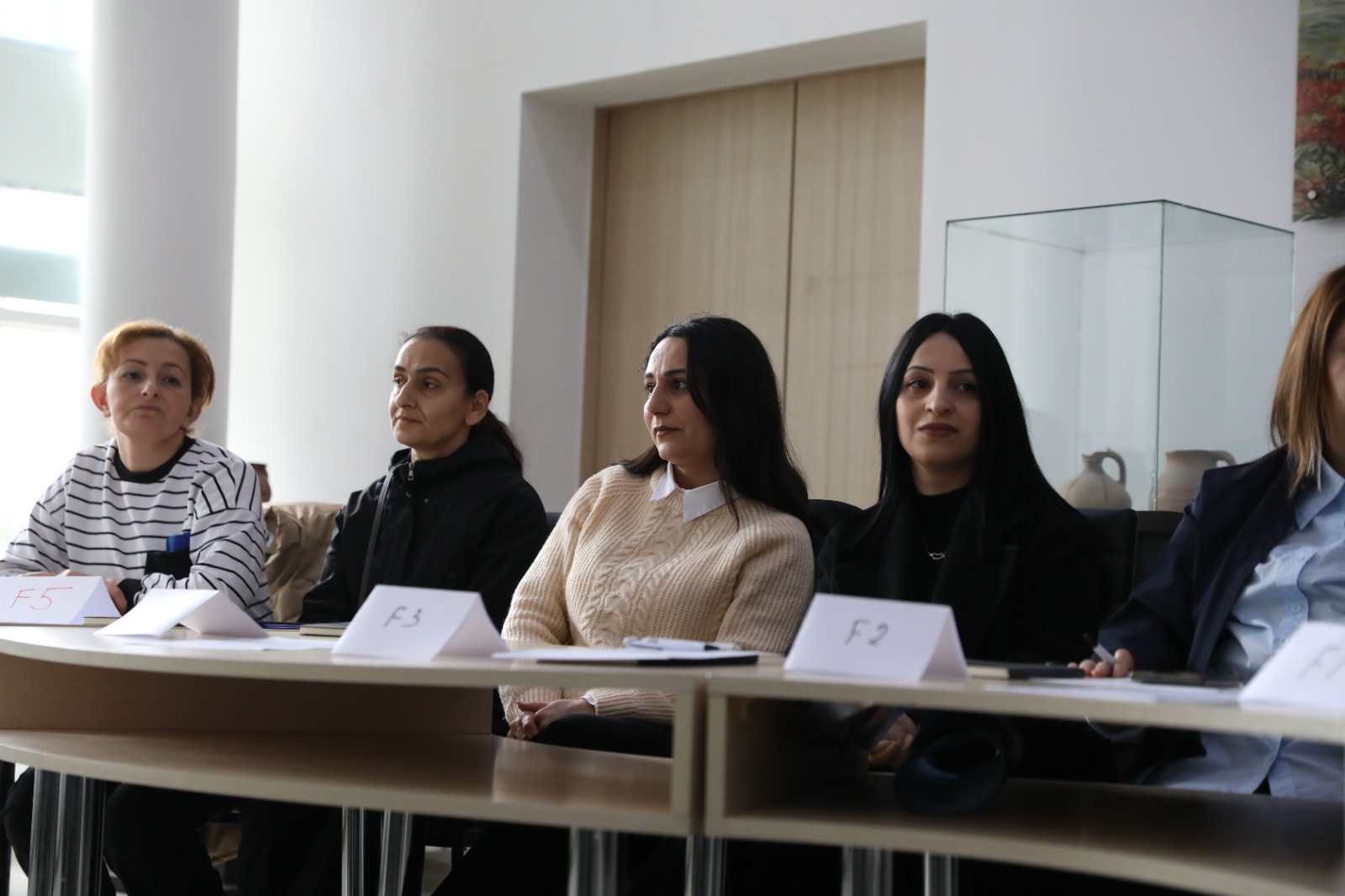
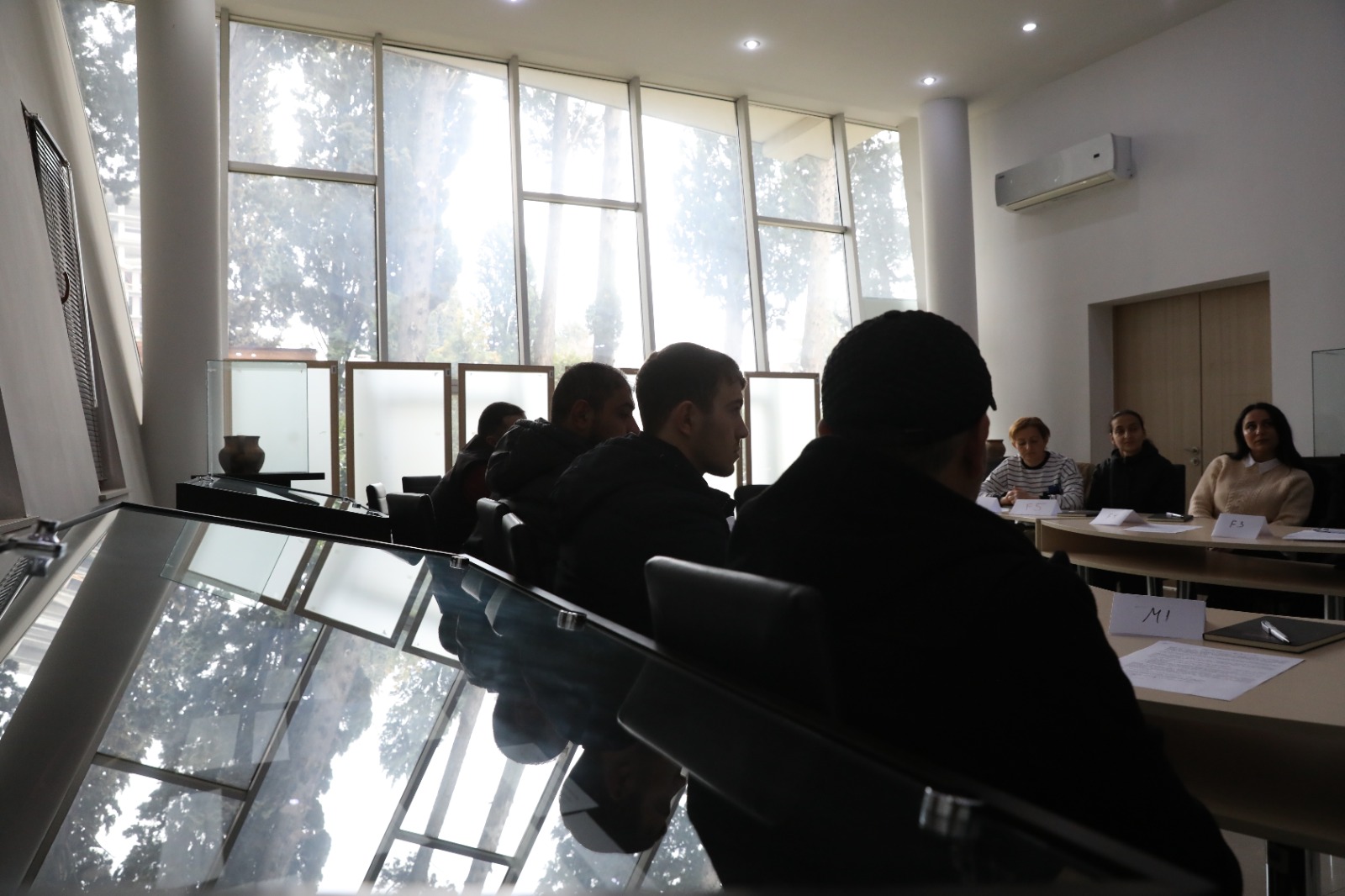
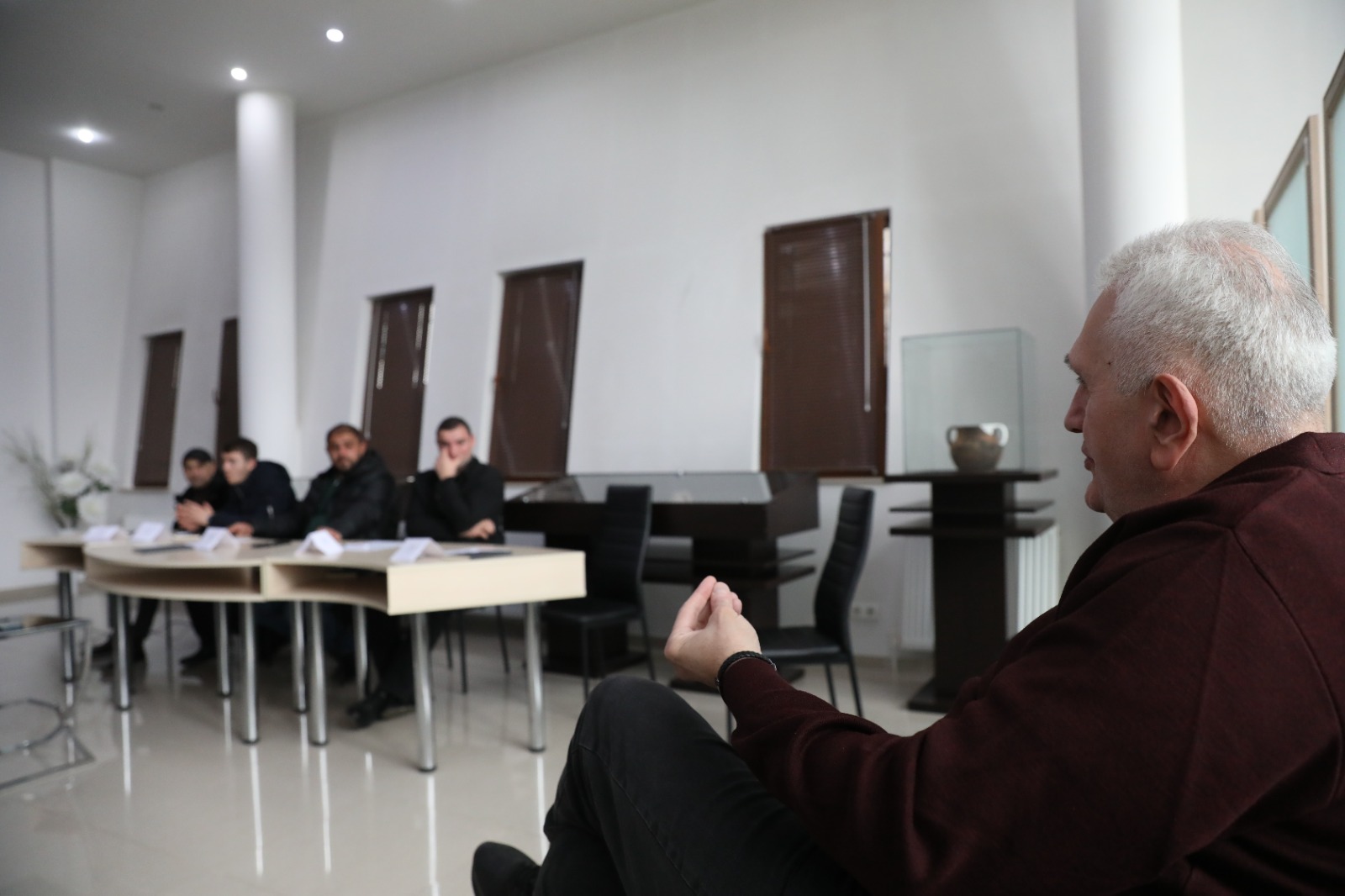
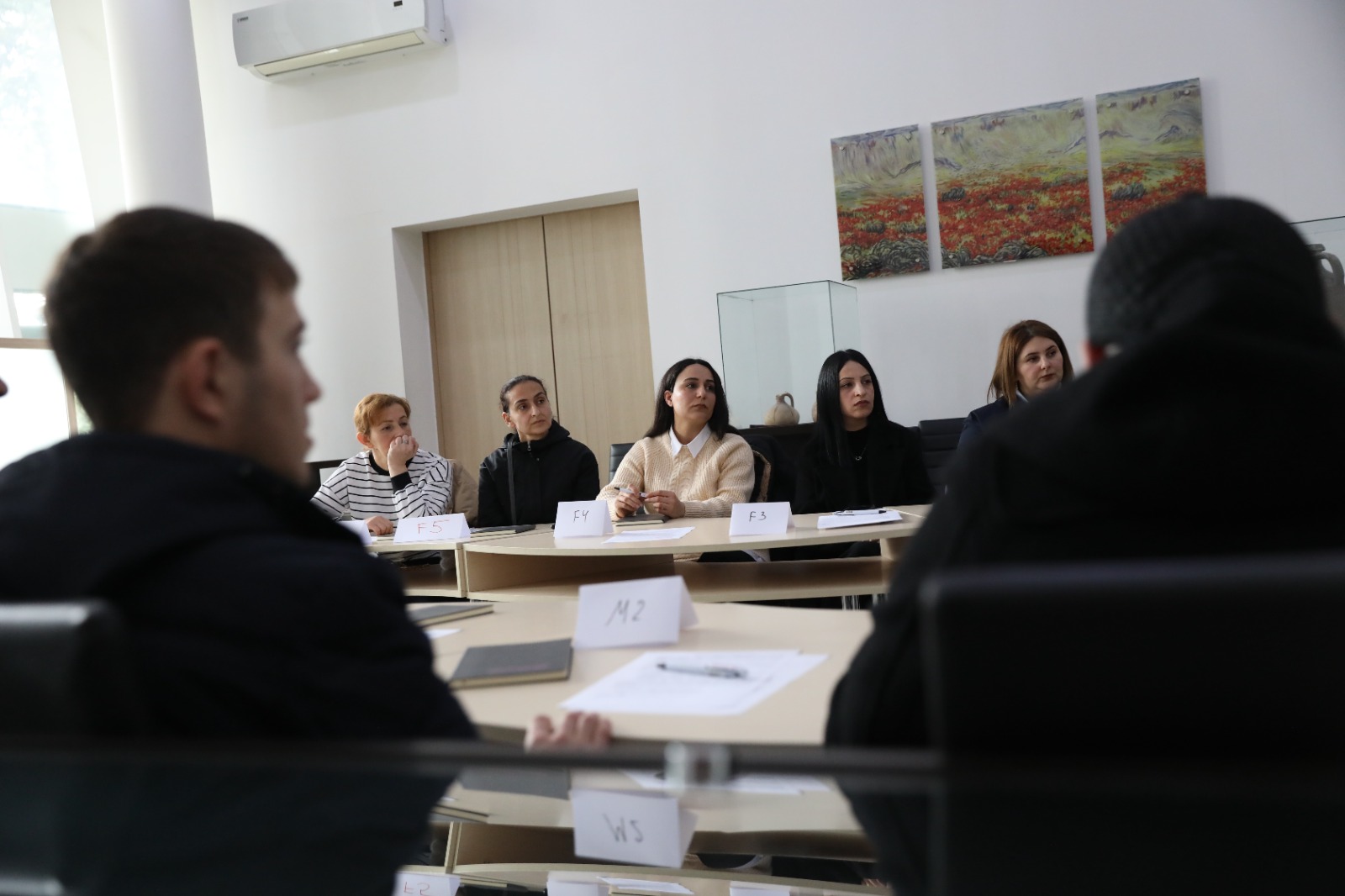
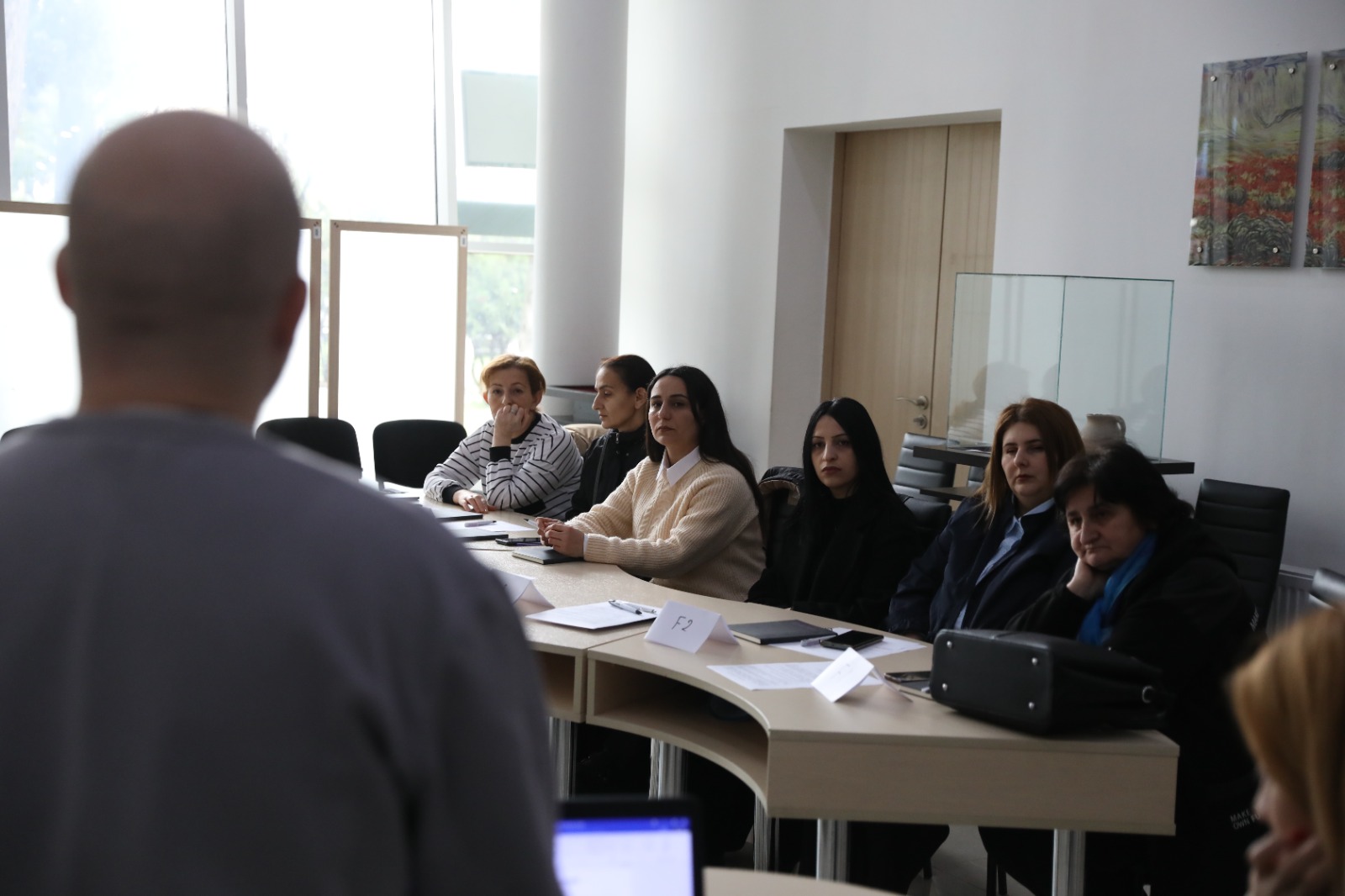
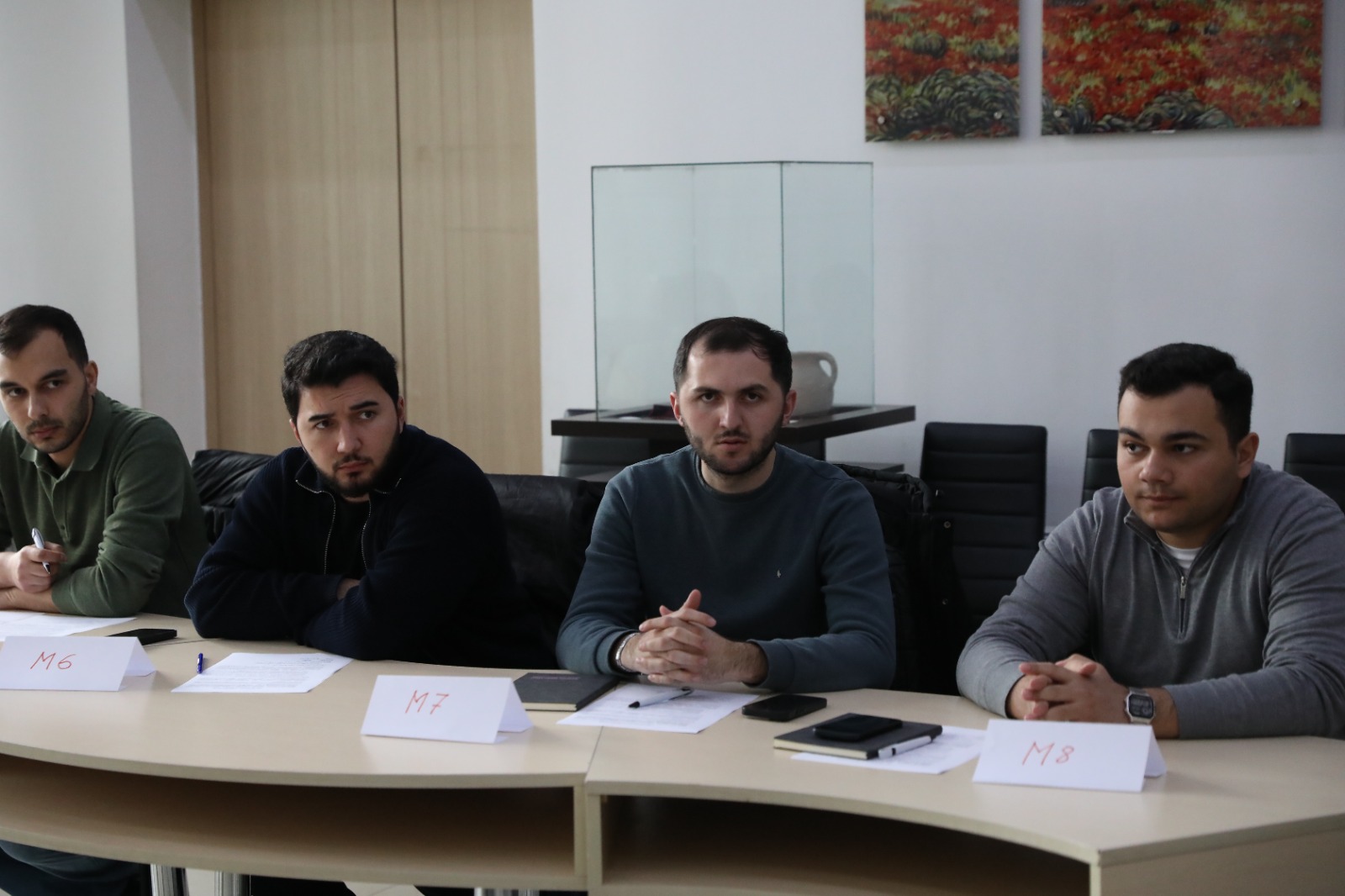
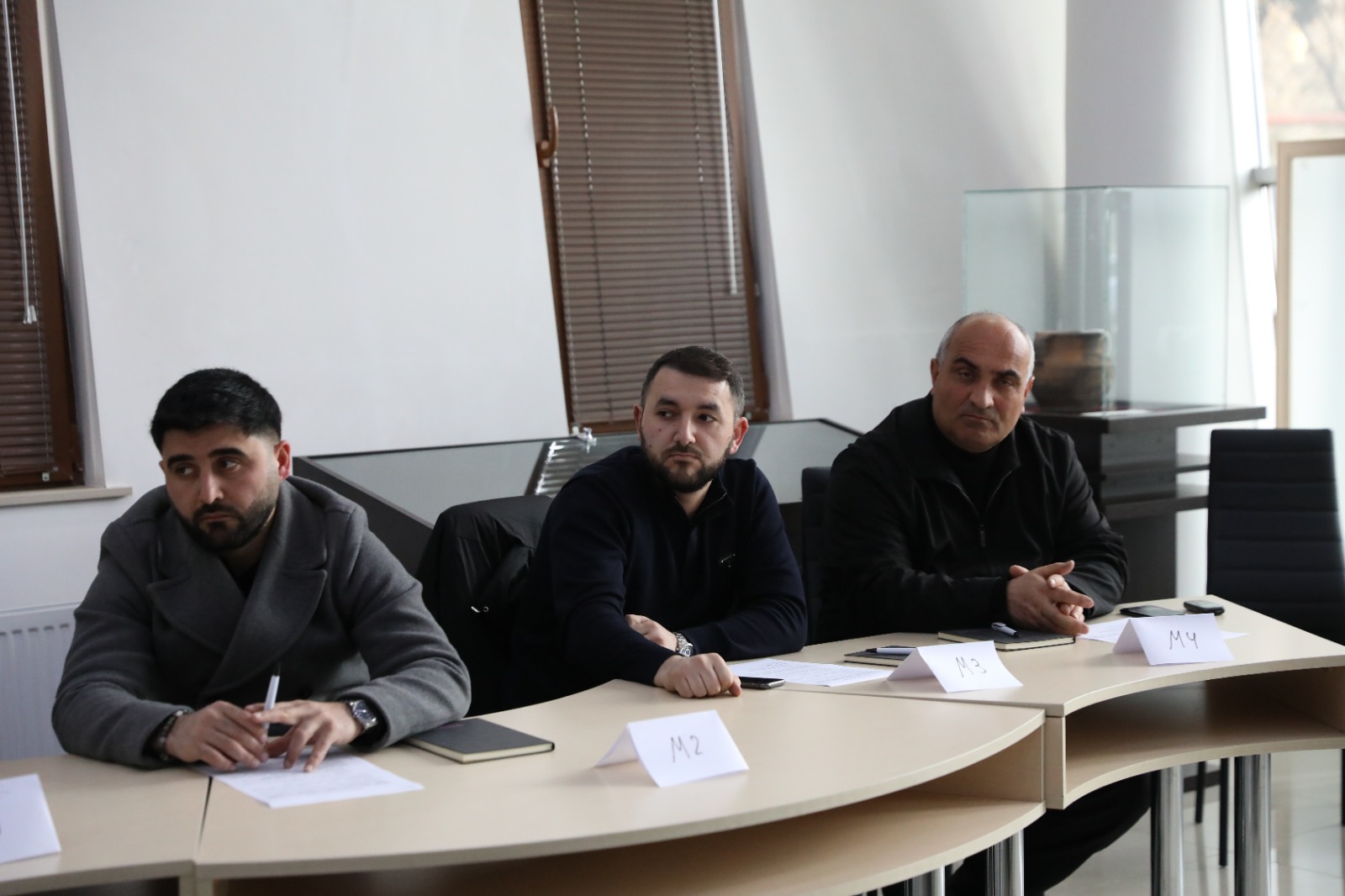
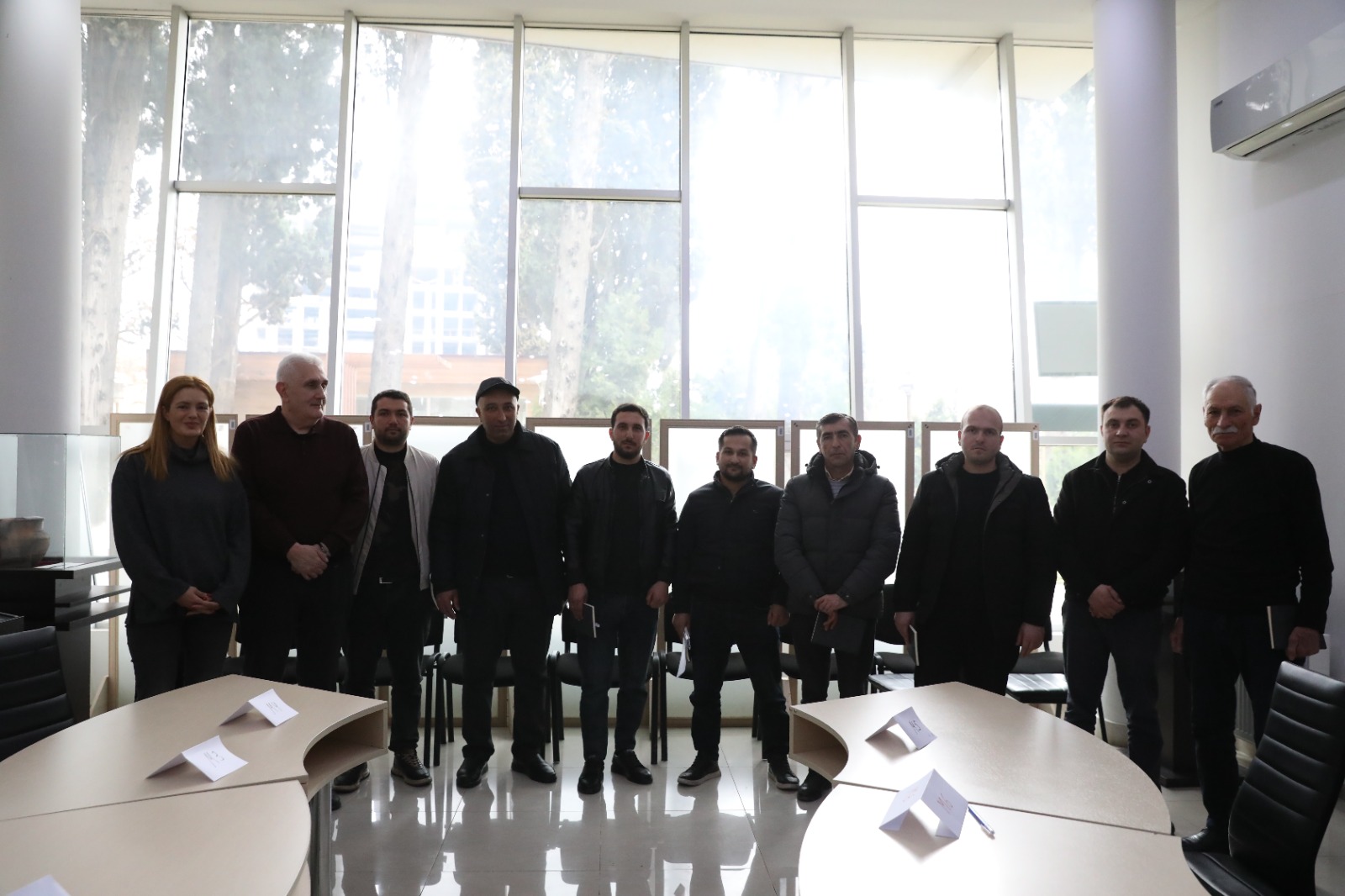
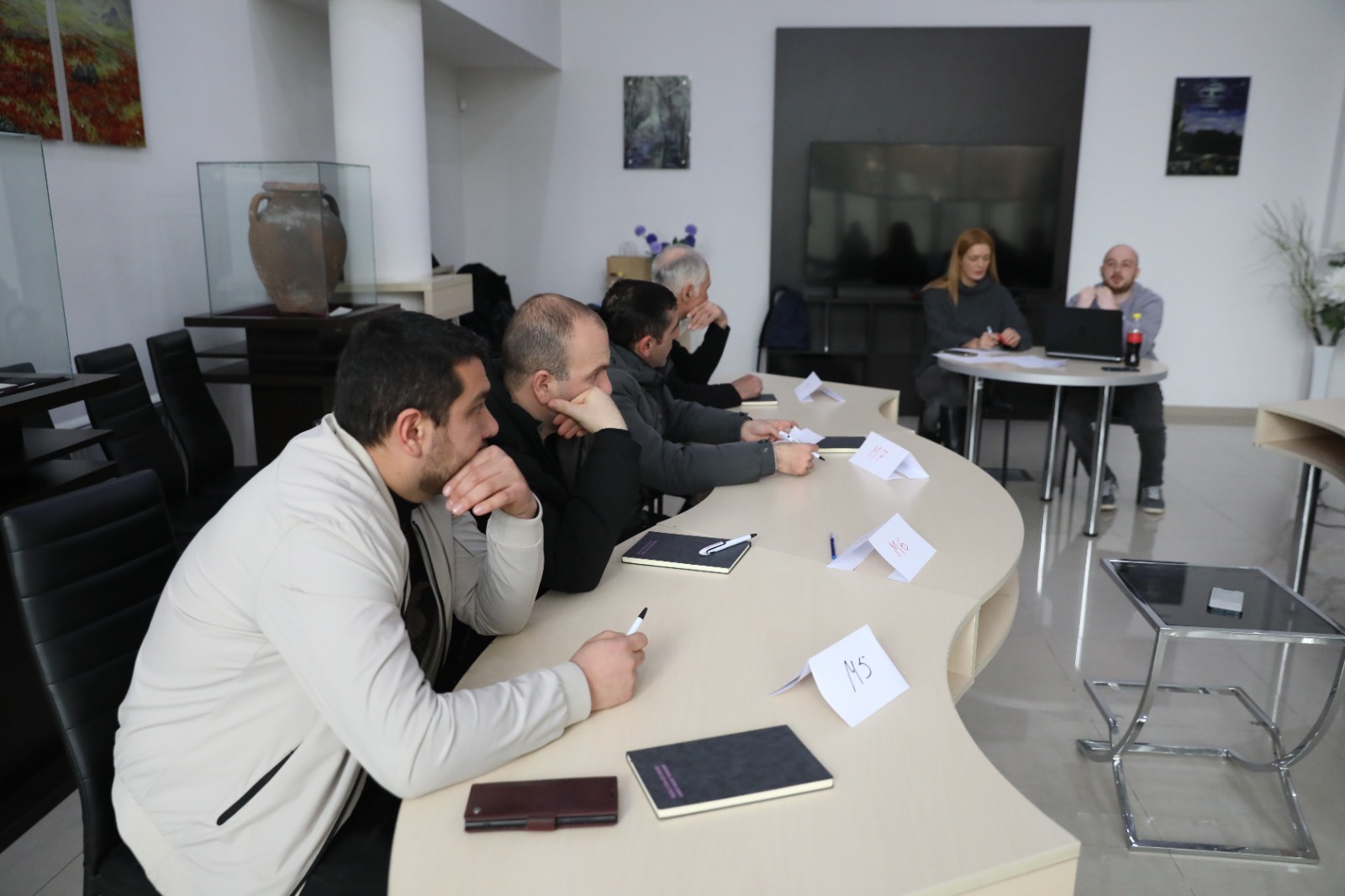
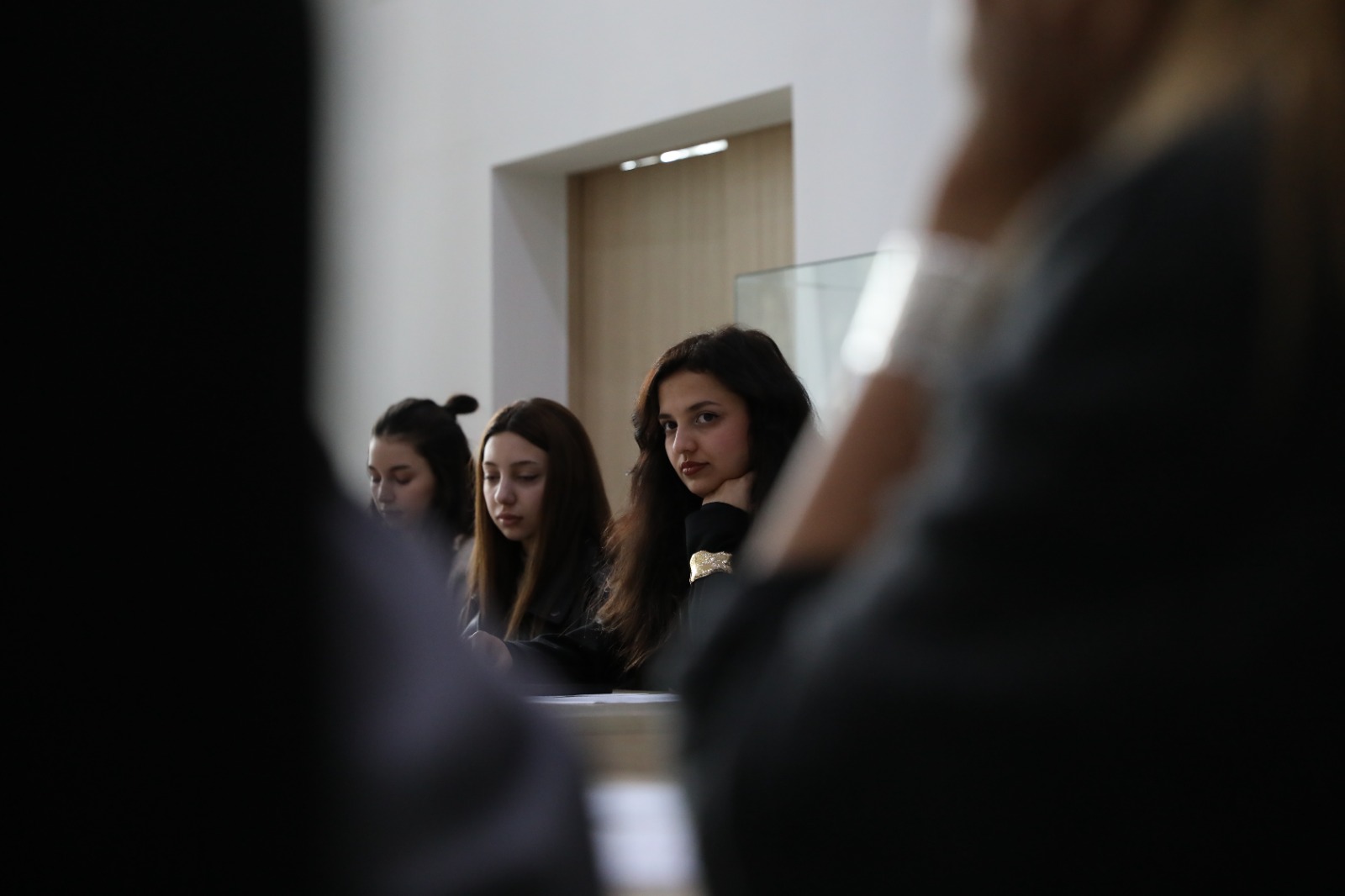
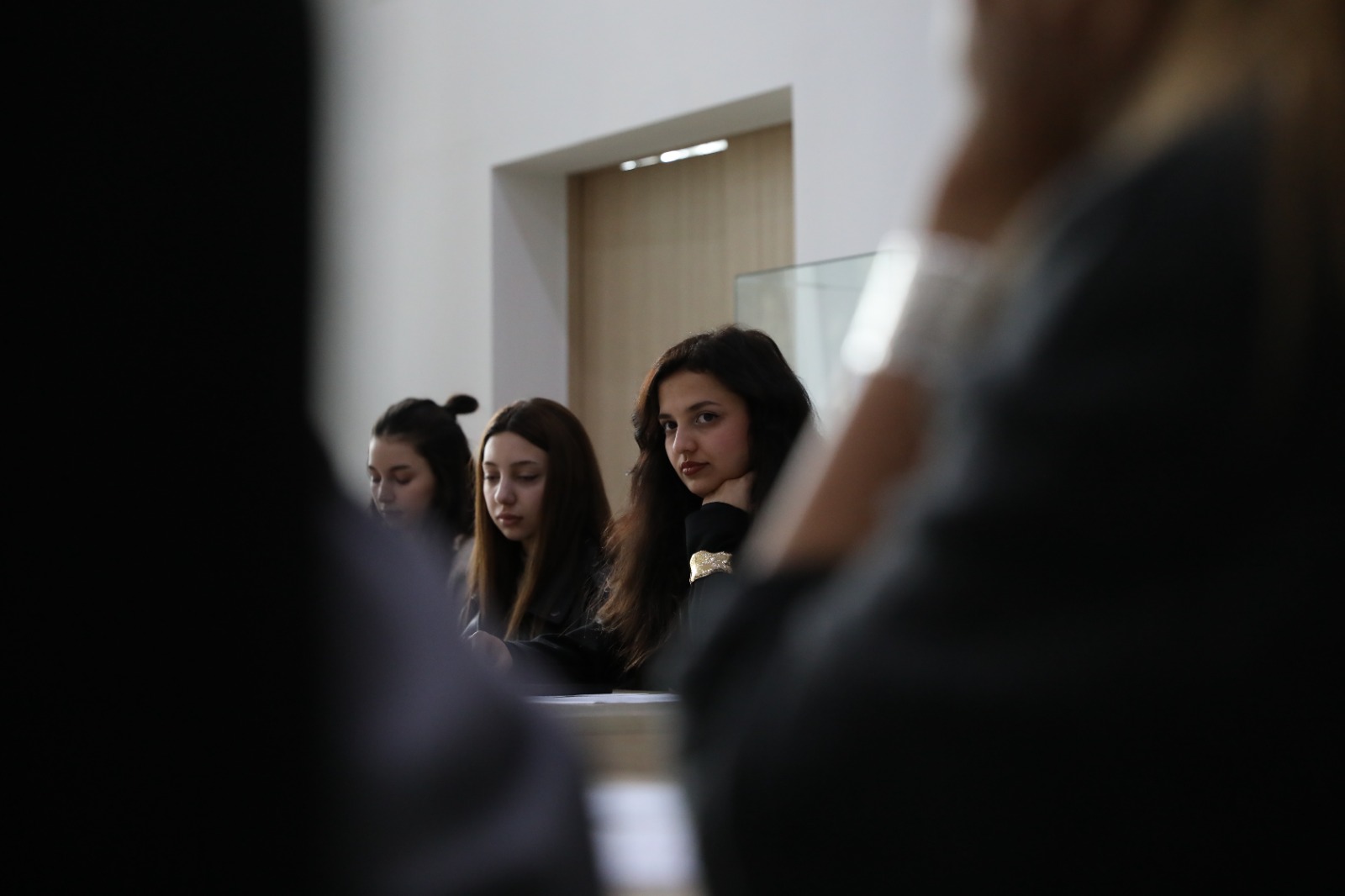
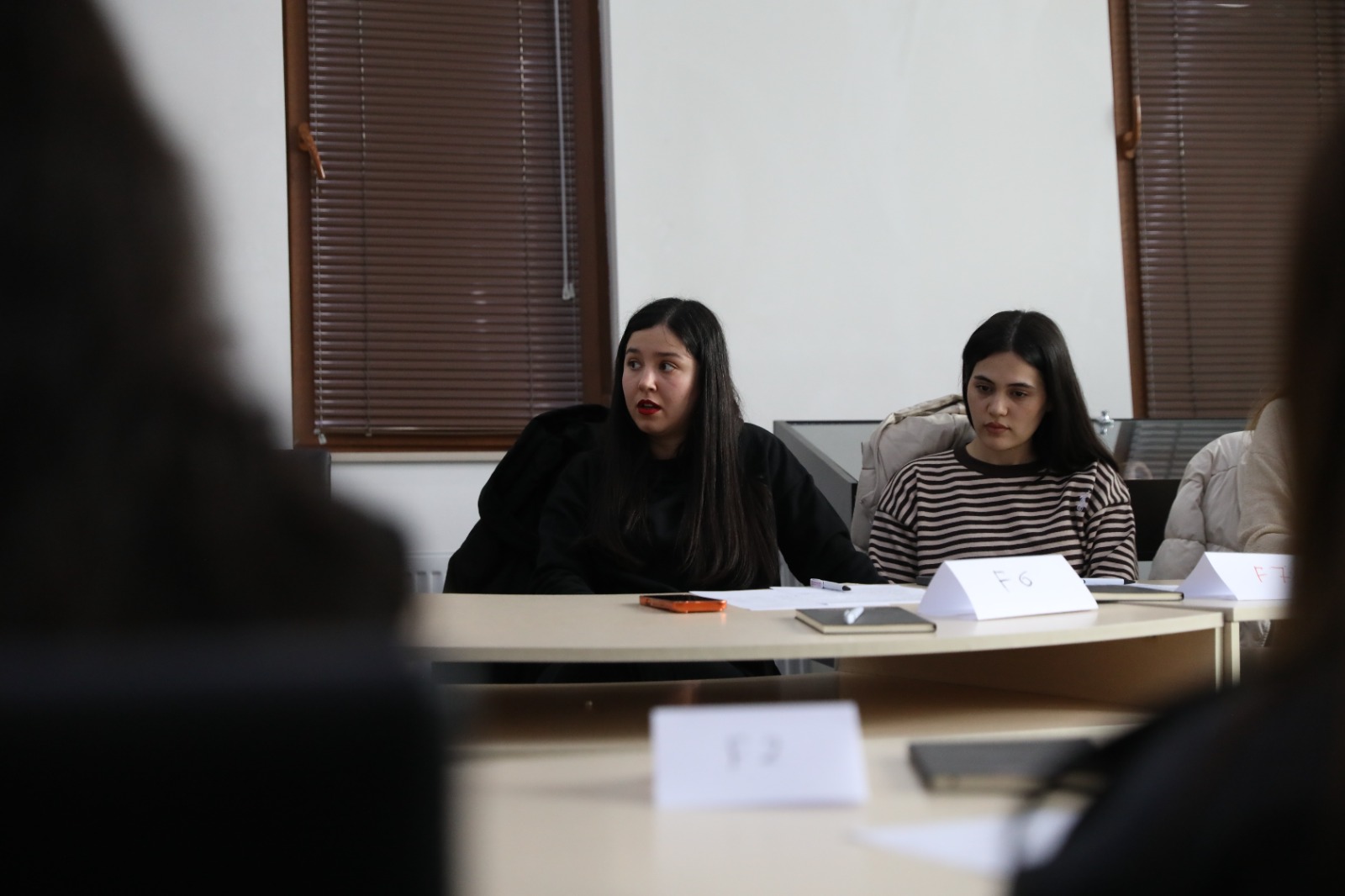
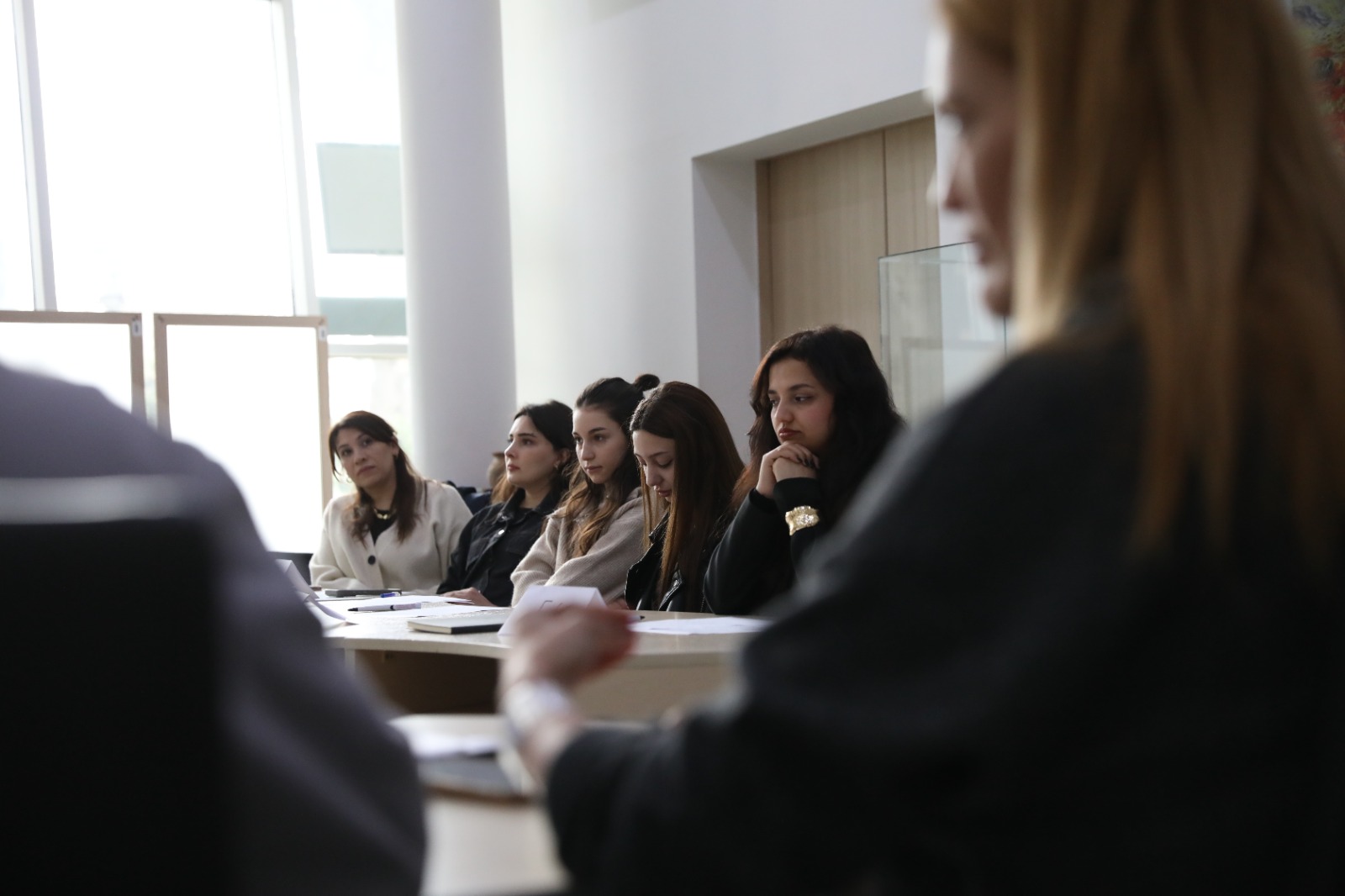
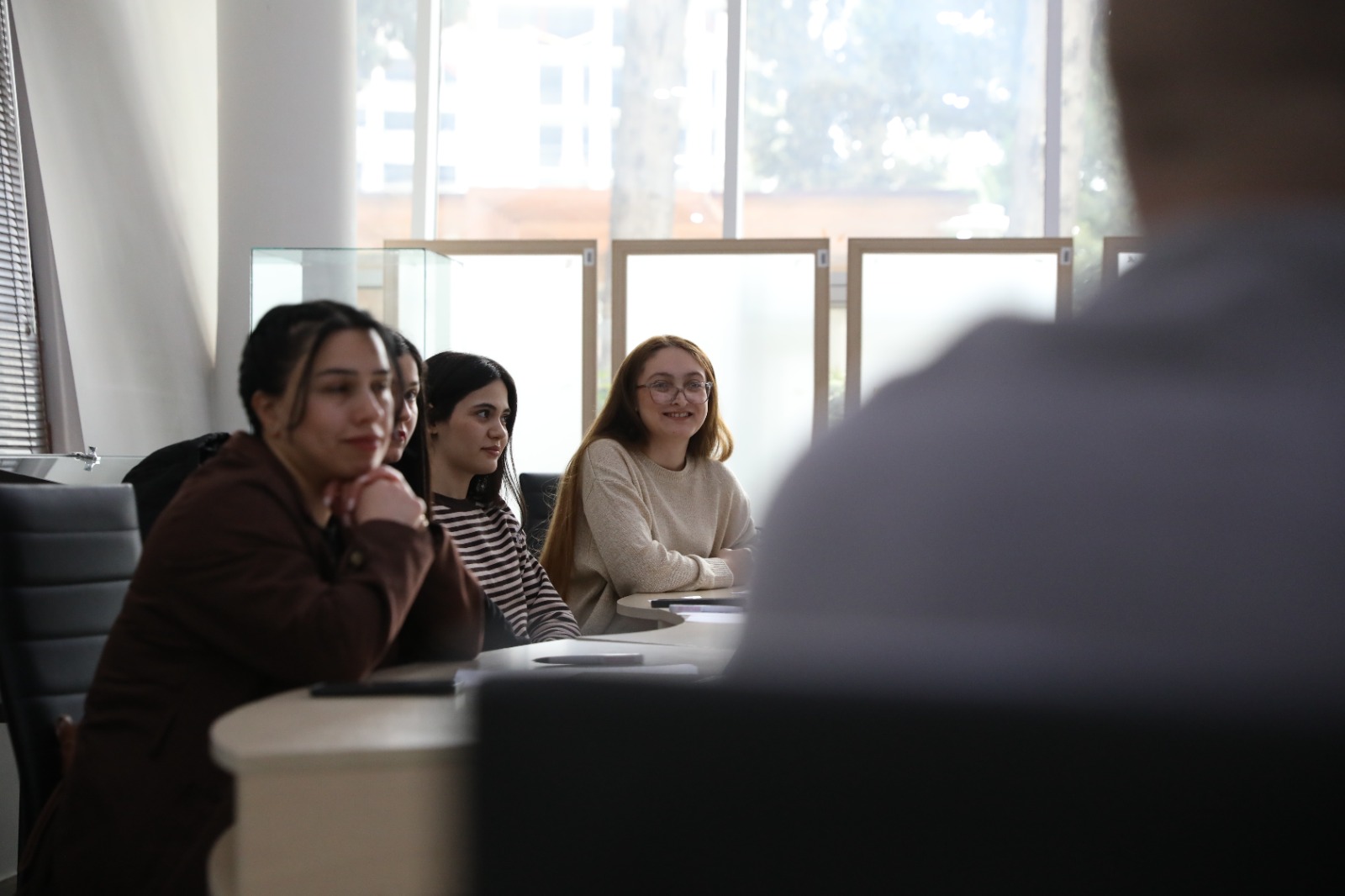
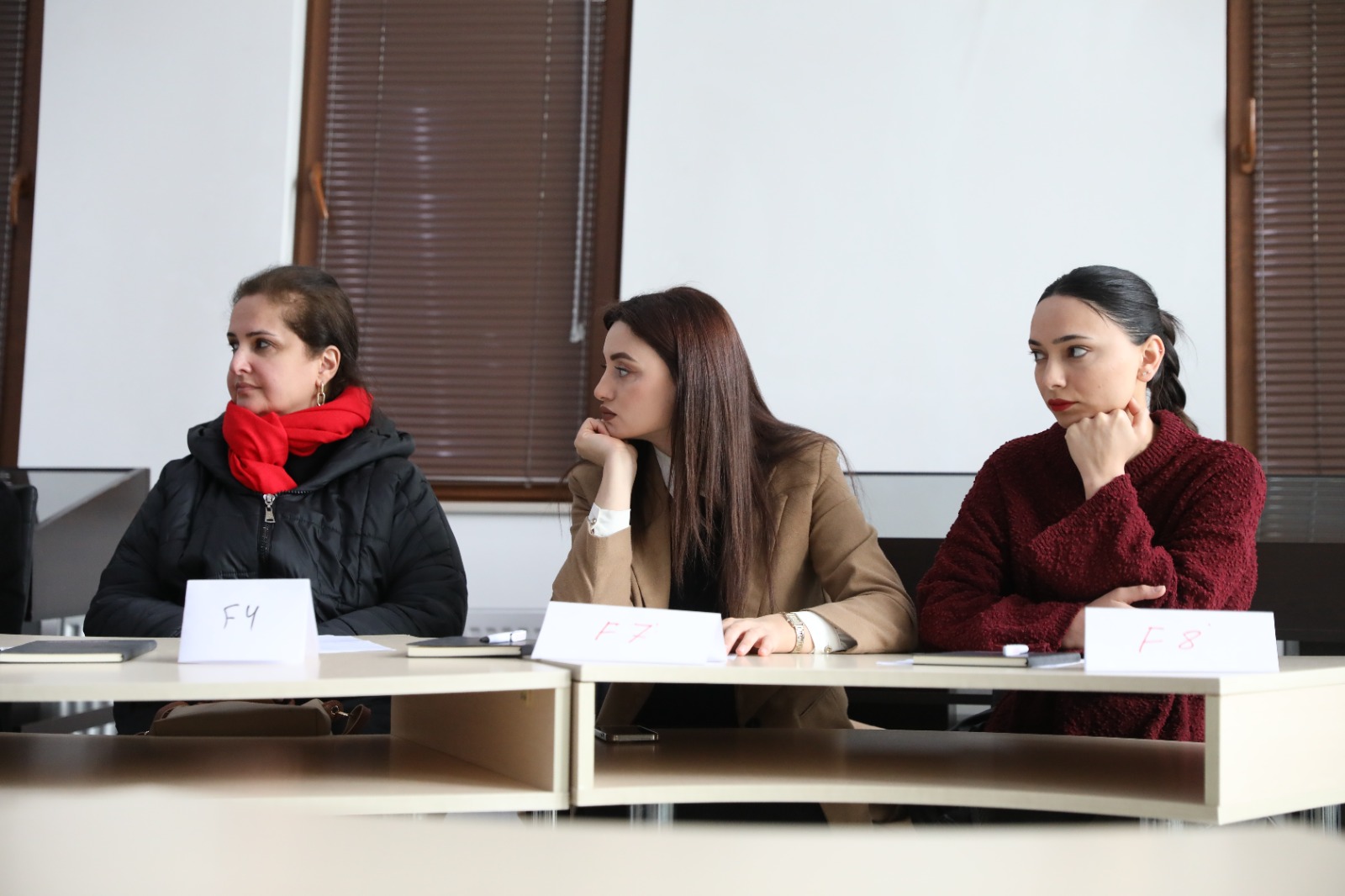
The project “Research on Cultural and Ethnic Diversity and Media Influence in Marneuli Municipality” aims to contribute to the reduction of social distance, the identification of stereotypes and the deepening of social integration in Marneuli Municipality, which in turn contributes to both the stable and peaceful development of the municipality and the strengthening of the country's national security. Project implementation period: January - April 2026 The idea of the project is based on the research and analysis of ethnic diversity in Marneuli Municipality. Within the framework of the project, it is planned to study the relations of Azerbaijani, Armenian and Georgian communities, social distance, stereotypes, language barriers and the influence of the media. The research includes both quantitative and qualitative components, which ensures an in-depth and evidence-based analysis of the problem. The project objectives are: • Identification of social distance between ethnic groups; • Research on stereotypes and cultural expectations; • Assessment of the influence of media and information space; • Analysis of linguistic resources and needs. Planned activities within the project: • Conducting a psycho-sociological study (quantitative survey) on 600 respondents using the Bogardus Social Distancing Scale; • Organizing and conducting six focus groups with the involvement of participants from different ethnic groups and ages, • Preparing a research report and submitting it to relevant government agencies. Within the project, the first comprehensive psycho-sociological study was conducted in Marneuli Municipality, the data of which can be used to improve integration policies and civil equality programs at the national and local levels. The project has a pilot nature and is planned to be expanded to other regions of Georgia. The research tools, analytics and recommendations obtained will remain as a long-term resource that ensures the sustainability and continuity of the project results. As a result of the project implementation, specific, measurable and practical results were obtained: 1. Reliable research data was obtained on the social reality in Marneuli Municipality • A quantitative survey was conducted on 600 respondents and 6 focus groups were held, as a result of which a comprehensive database was created. • The level of social distance between different ethnic groups and the main sources of stereotypes were determined. 2. Detection of stereotypes and identification of barriers to integration • It was revealed which social, cultural and linguistic factors hinder cooperation and trust between ethnic groups. • The strength of stereotypes and cultural barriers were highlighted in specific communities • Risk zones were identified, where it is necessary to plan and implement various measures. • The population's attitude towards foreign citizens and foreign culture was revealed, which will contribute to the proper planning of integration and migration policies. 3. Assessment of the media and language environment • It was identified which local and foreign media outlets have the most significant impact on the population. • The level of knowledge of Georgian and foreign languages and the trends in their teaching were assessed, which will help the state in planning civil integration policies. • The needs and expectations of the population were identified; 4. Determination of the stability index A special formula was used to determine the stability index for the Marneuli municipality, which showed a high level of stability. 5. Report for state structures • Based on the results of the study, a report was prepared that will help the Government of Georgia and relevant state structures in implementing more effective policies in the direction of integration and civil equality. • The results provide an opportunity to conduct a comparative analysis with other municipalities, the region and Georgia at the next stage. As a result of the project, the Georgian government and state agencies were provided with a research-based report, which is intended to be used to improve ethnic integration and civic equality policies, as a result of which society will benefit from strengthening social harmony, security and stability.





Origin and source The phrase first appears in the epic poem Punica (XI, 595) by the Roman poet Silius Italicus (1st century AD): Pax optima rerum, quas homini novisse datum est; Pax una triumphis innumeris potior; pax custodire salutem et cives aequare potens. Georgian translation: “Peace is the highest of all things known to man; One peace is superior to countless triumphs; Peace guards life and establishes equality among citizens” Historical usage 1. Classical Roman era (1st century) ◦ The phrase expressed the Roman ideal of “peace as the basis of prosperity”. ◦ This idea also echoed the “Pax Romana”—a period of peace. 2. 17th century — Central Europe and the Peace of Westphalia (1648) ◦ The phrase was often used as a symbol of the beginning of a new era of peace in war-torn Europe ◦ In the documents of the Peace of Westphalia and on the emblems of various universities (e.g., Münster, Osnabrück, Kiel), it expressed the idea of international coexistence. 3. Christian-Albrechts-Universität zu Kiel (founded 1665) ◦ The official motto became Pax optima rerum, which is still on the university seal and symbols. ◦ The meaning here is the ratio of science, knowledge and peace — “Science and Peace as the supreme goods.” Philosophical meaning The motto expresses “positive peace” - not simply the absence of war, but: • Harmony based on equality and justice; • Human well-being as a result of peace; • Peace as a supreme value that combines wisdom, development, and dignity.
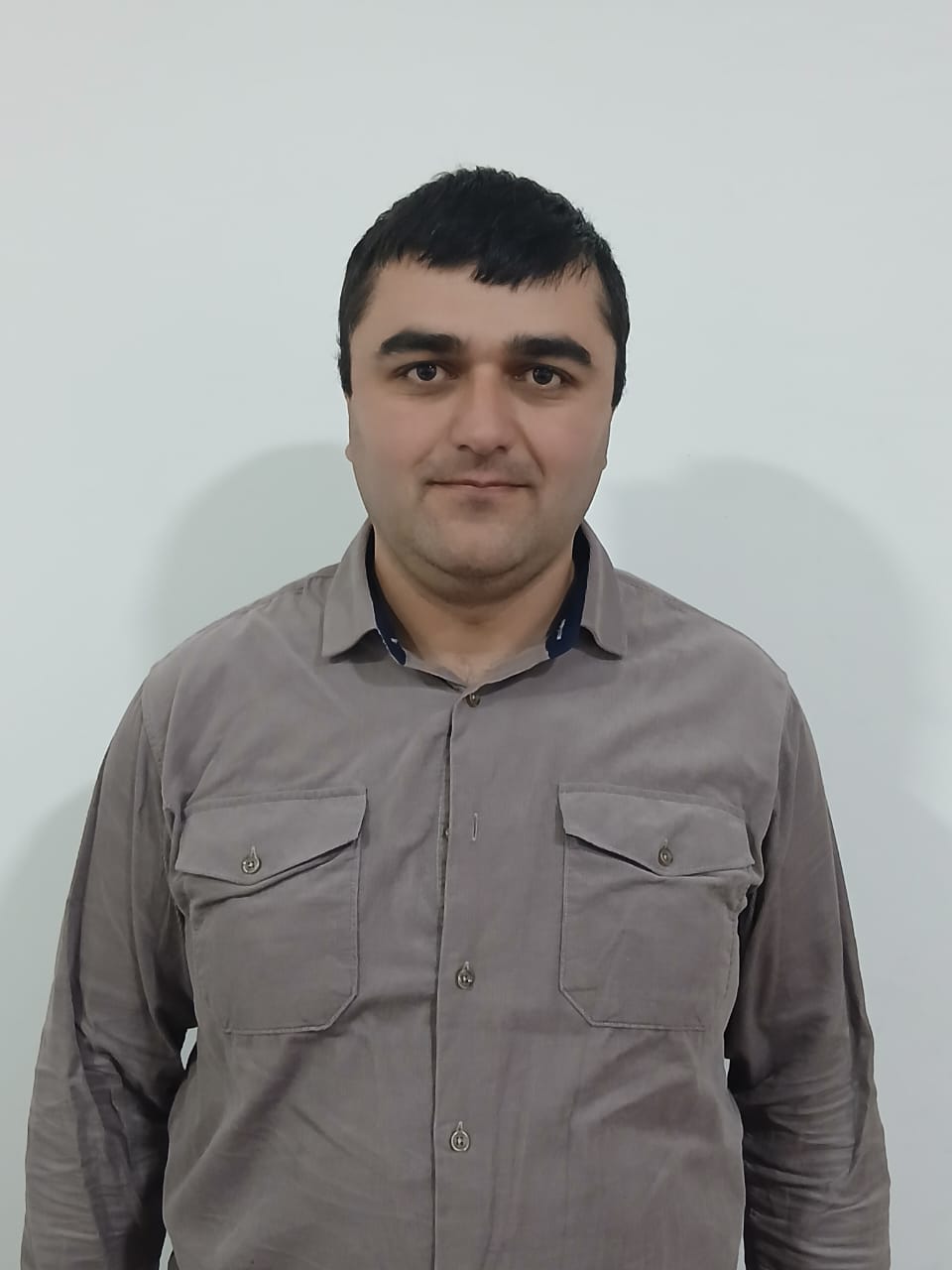
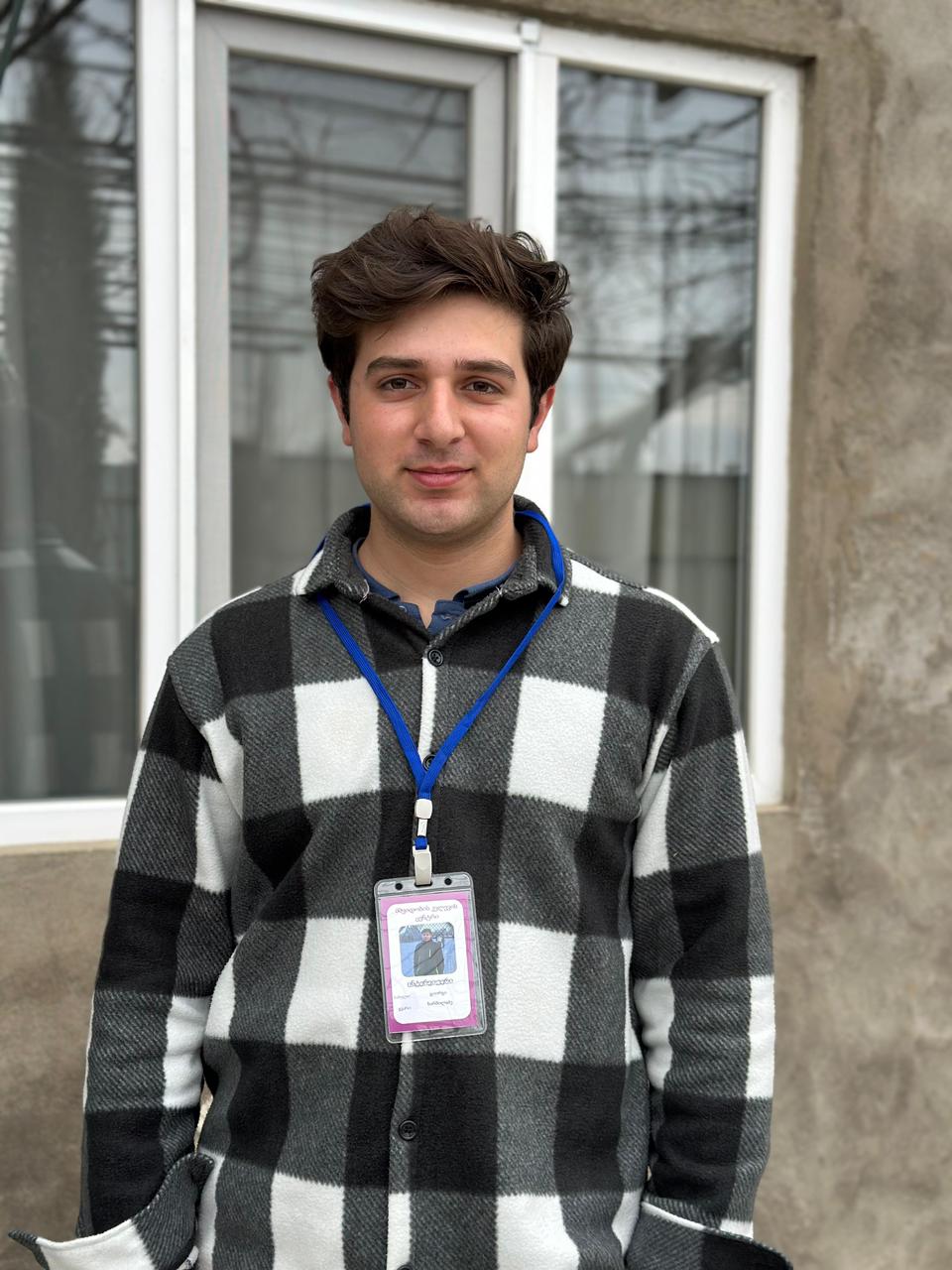
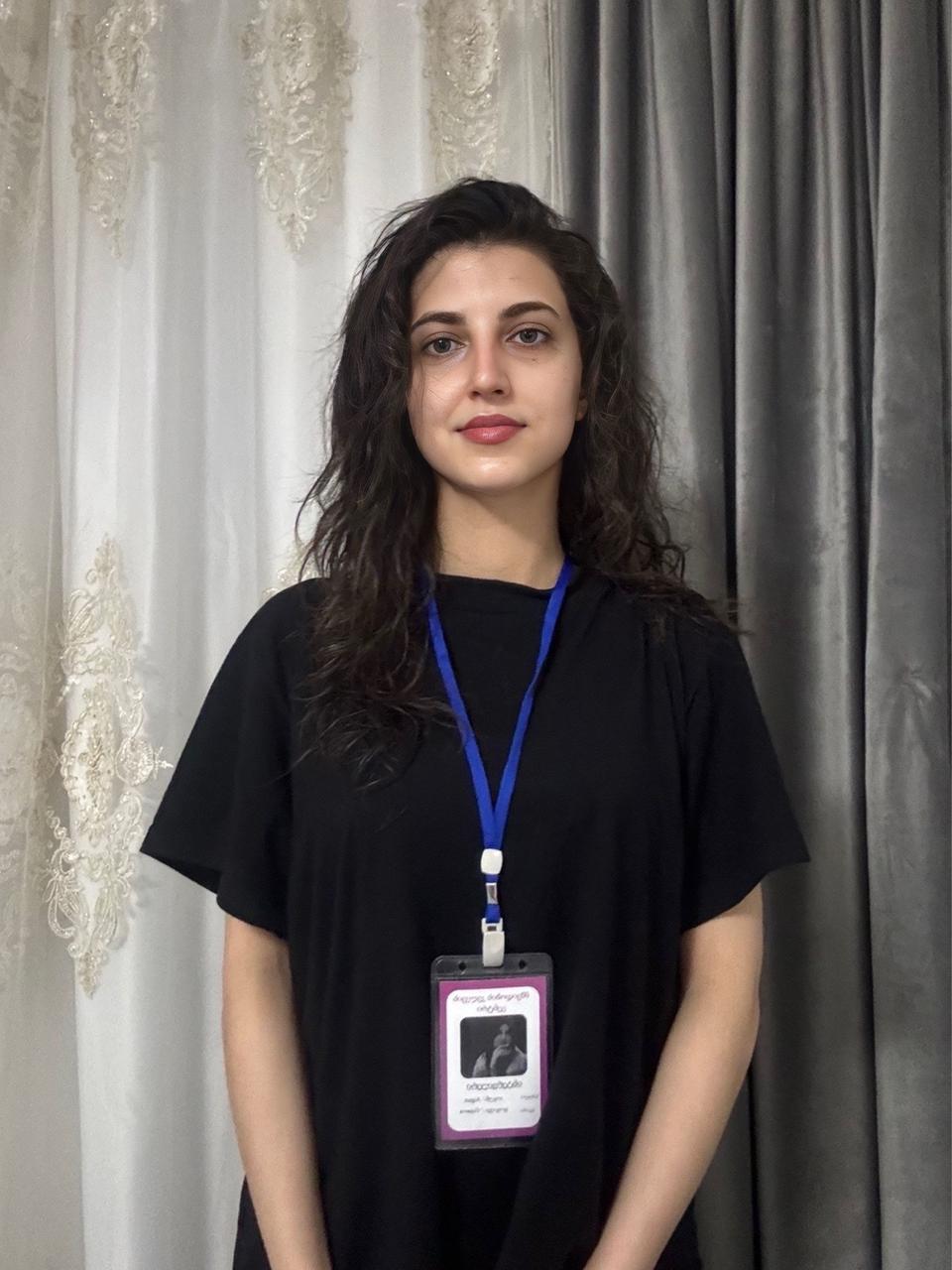
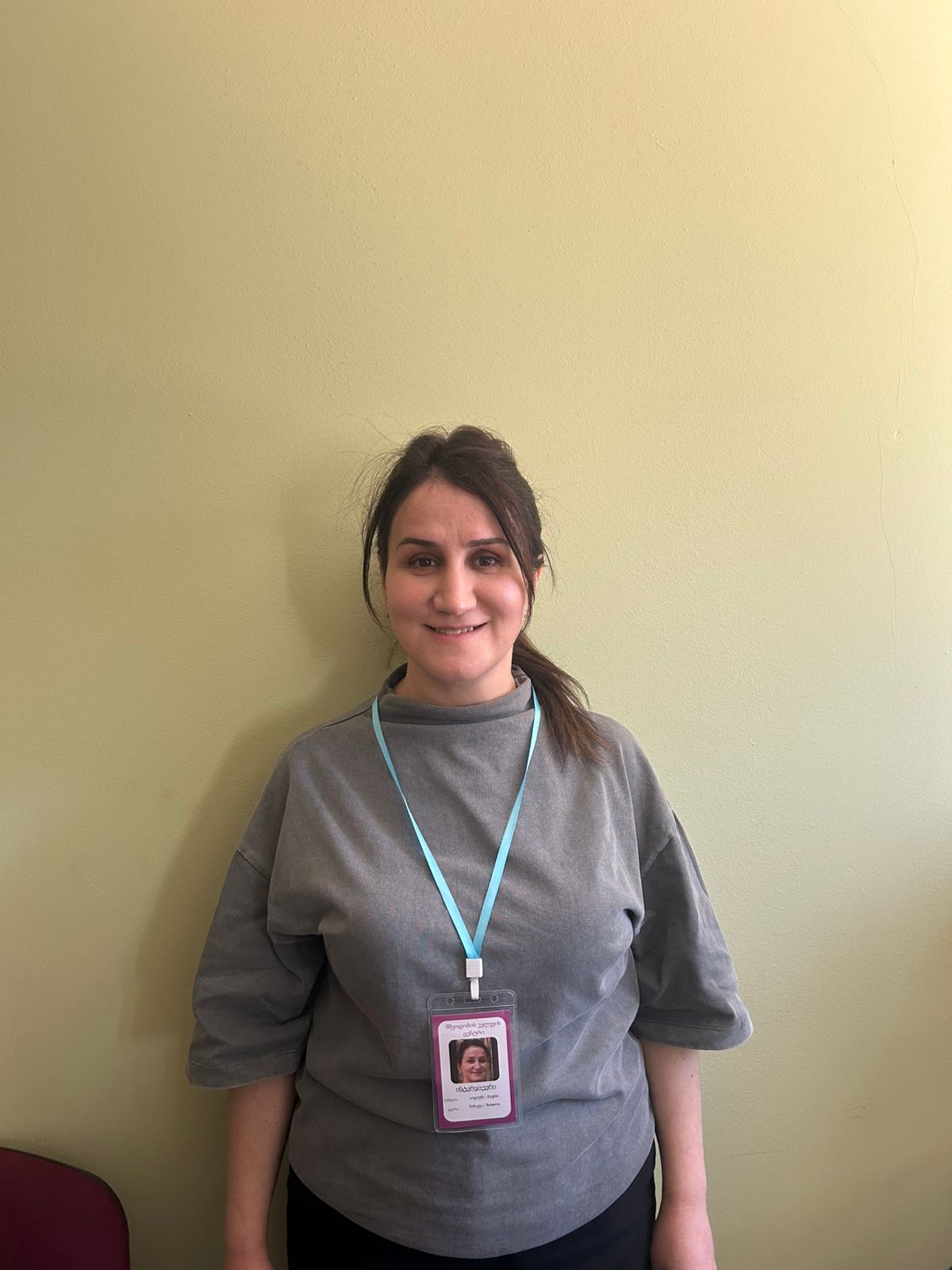
Experienced professionals who contribute to maintaining and strengthening peace in Georgia.
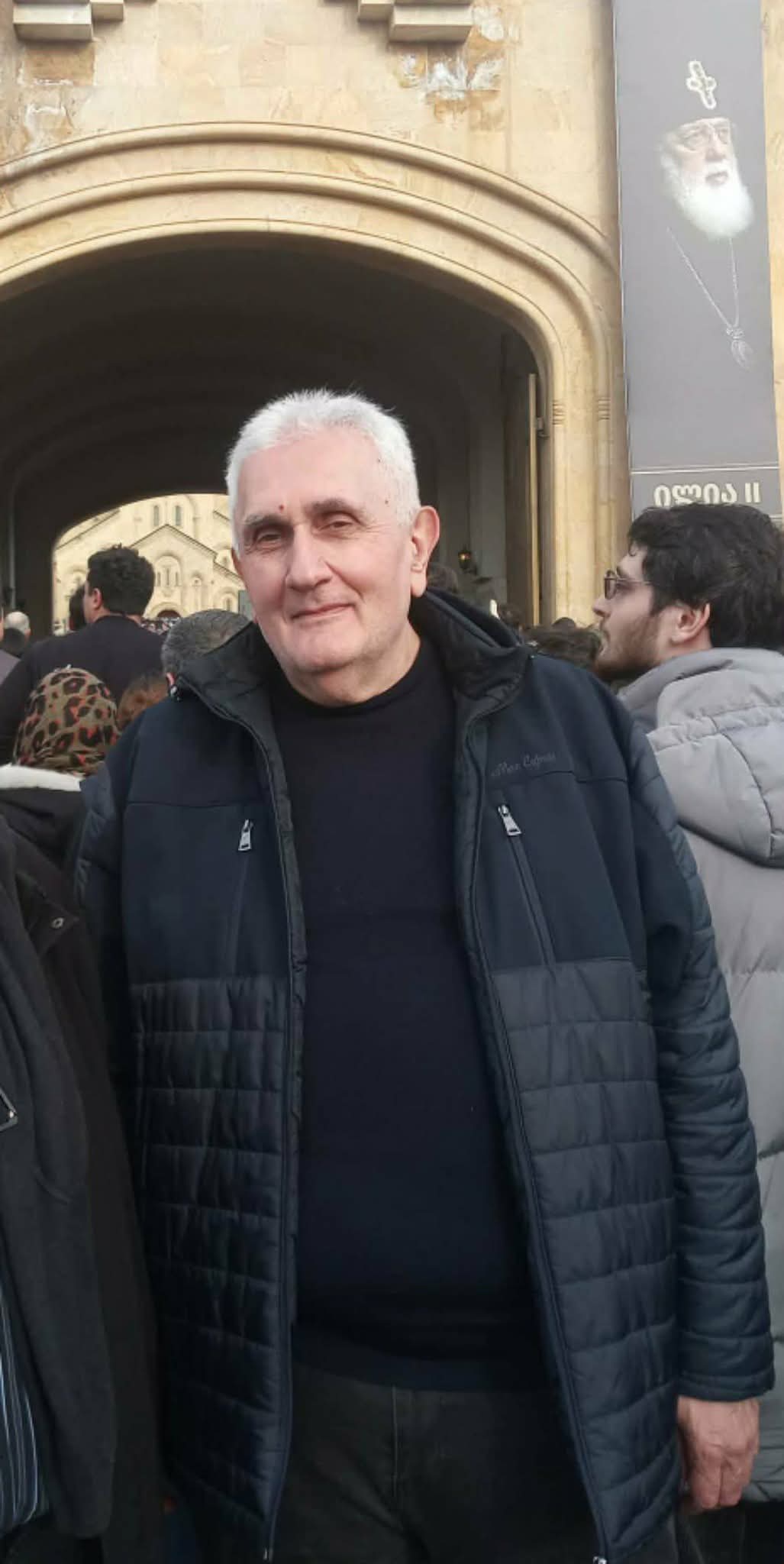
Director
Research and analysis specialists who provide deep expertise to our work.
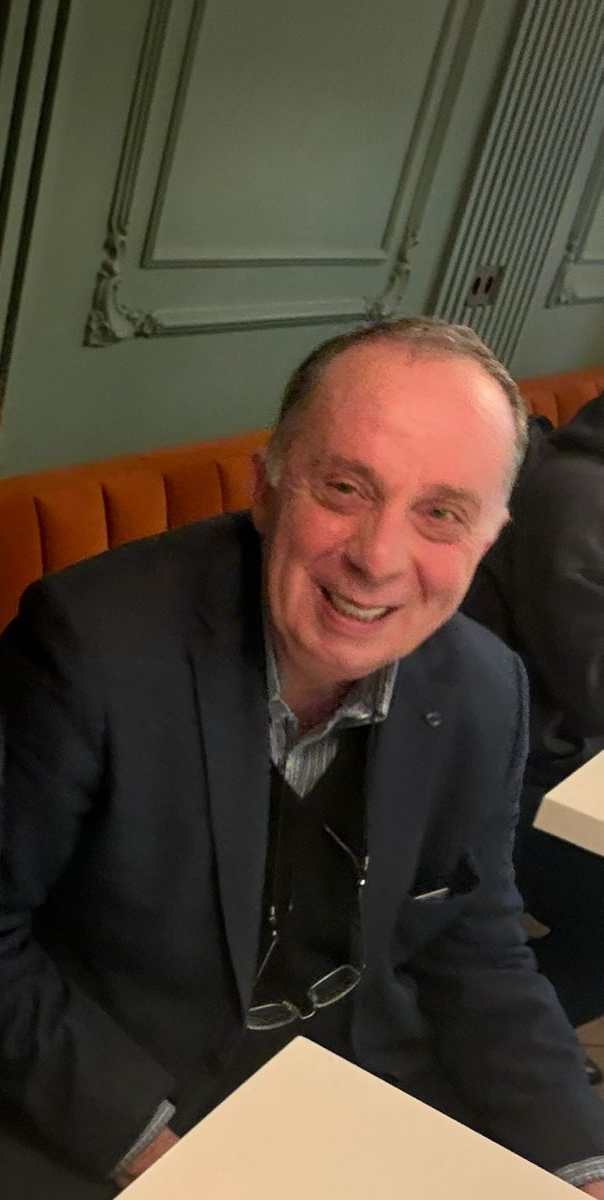
Psychologist

Psychologist, sociologist
nugzar963@gmail.com
+995 599 97 45 55
LEPL State Grant Management Agency